The Chouara tannery is Fez's iconic sight — and the epicentre of the 'it's closed, follow me' approach. How to see it, what the terraces cost, and the mint sprig myth.
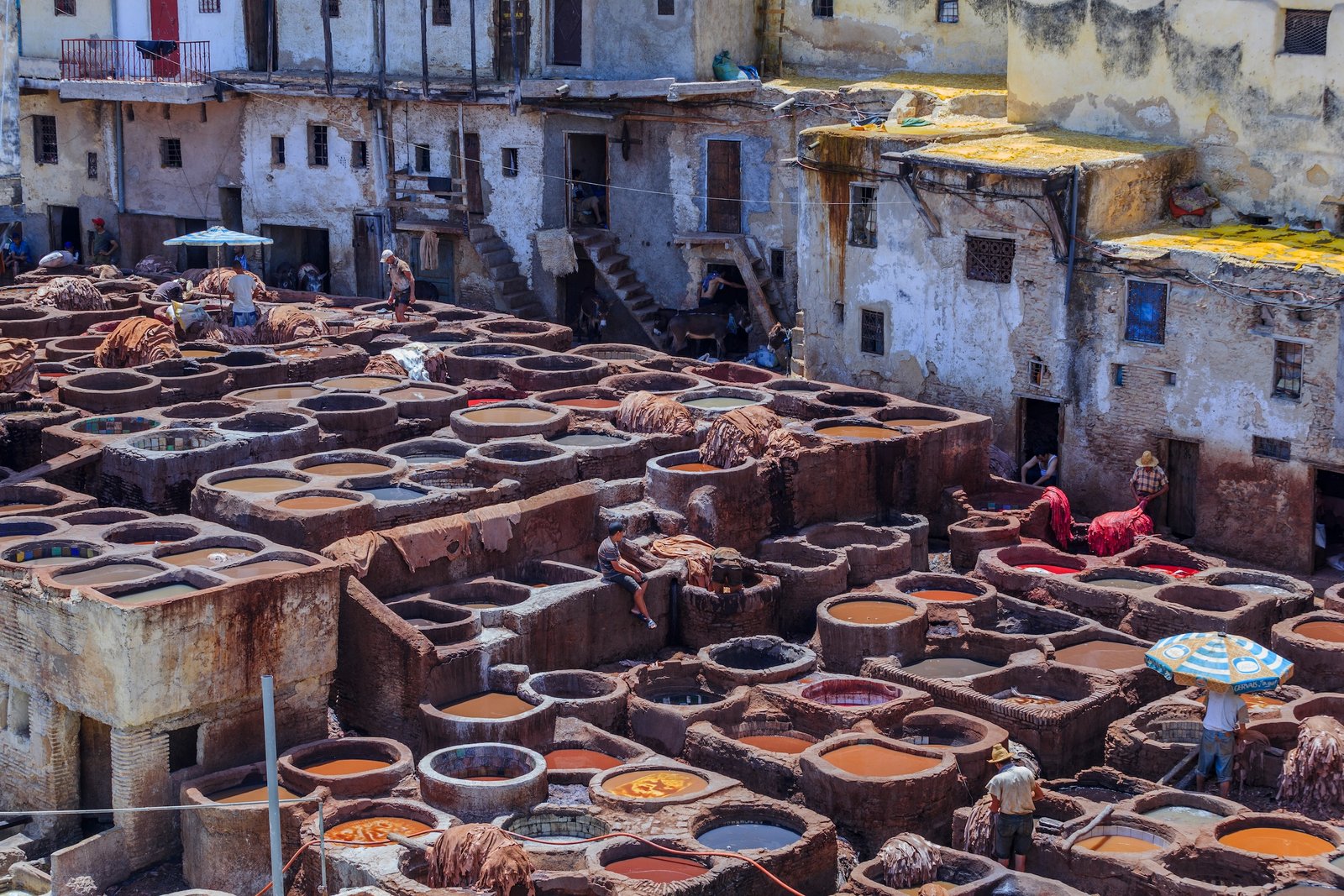
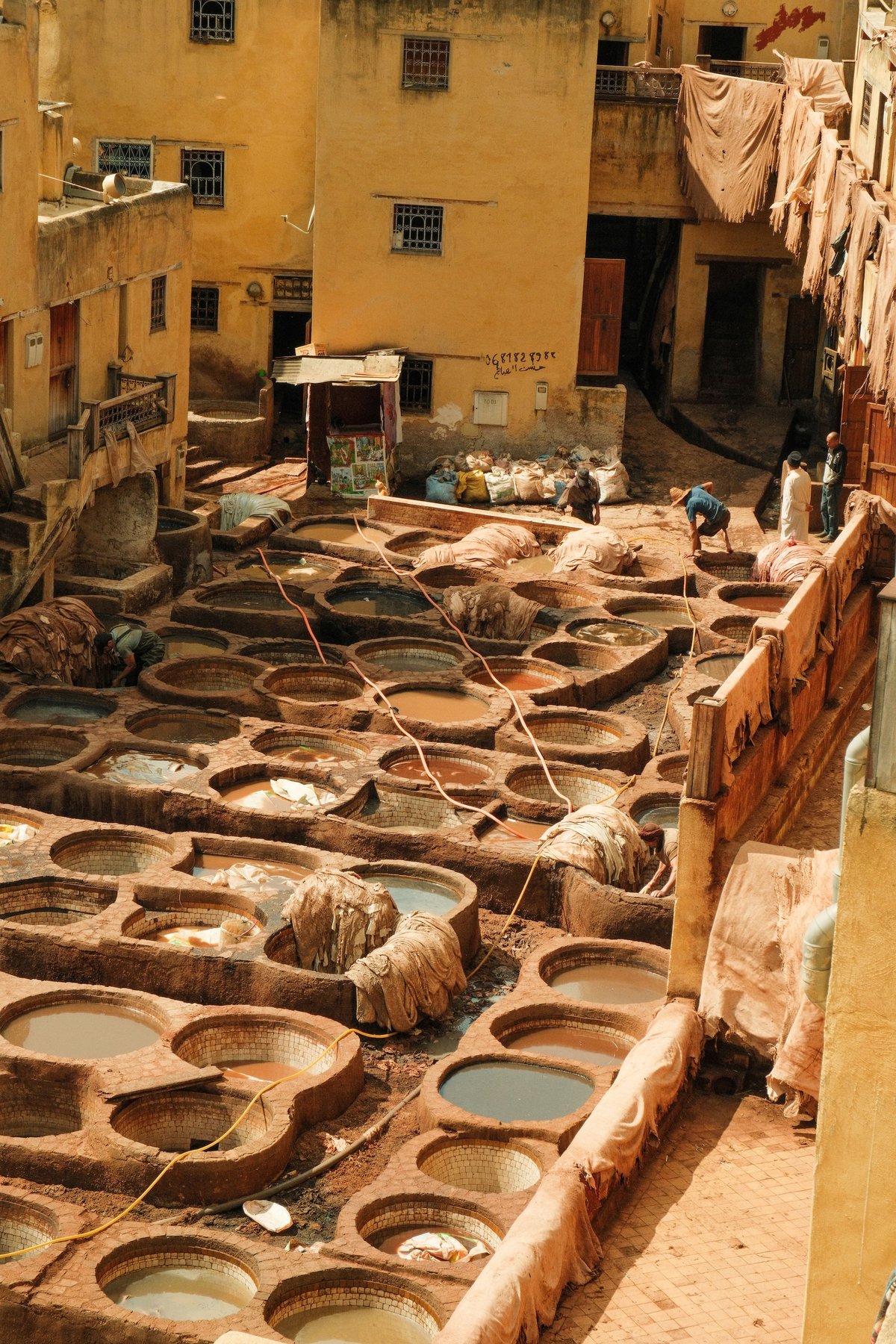
The Chouara tannery is the postcard image of Fez — the honeycomb of stone dye pits worked by hand — and it is also the single spot where the "it's closed, follow me" approach is most concentrated. Seeing it well is easy once you know how access actually works: you view the pits from the leather shops whose terraces overlook them, and everything confusing about the visit traces back to that one fact.
How you actually see the tannery
There is no ticketed entrance to the Chouara tannery; you view the dye pits from the terraces of the leather shops that surround them, and those shops let you up in the expectation that you will look at their goods. This is the key to the whole visit. The "entry" is really access to a shop's balcony, which is why so much of what happens around the tannery is about steering you into a purchase.
Why "it's closed" is a lie here
The tannery is an open-air working site that does not close in any meaningful sense, so a man telling you it is shut, or that the good viewpoint is elsewhere, is redirecting you toward a shop that pays him. Walk to the tannery area yourself, and step into any leather shop that offers a terrace view. You do not need a guide to find it, though a licensed one makes the wider medina easier.
What the terrace "costs"
Access to a shop's terrace is nominally free, but the social expectation is that you will look at the leather afterward, and some shops ask for a small tip for the view. A few dirham for the terrace is reasonable and buys you goodwill; a large "fee" demanded aggressively is not, and you can decline and use a different shop. You are never obliged to buy the jackets and bags, however warmly they are presented.
The mint sprig, and the smell
Tanneries use natural processes that smell genuinely strong, and shops hand visitors a sprig of mint to hold under the nose. It helps a little and is part of the experience rather than a trick. The smell is worst in warm weather and bearable in the cooler months; either way it fades from mind within minutes as the extraordinary sight takes over. This is a working tannery, not a display, and the smell is the honest evidence of that.
Do you need a guide to see it
You do not need a guide specifically for the tannery — you can walk to the Chouara area and step onto any leather shop's terrace yourself. What a licensed guide buys is the wider first day in Fès el-Bali, where navigation is genuinely hard and the tout pressure is highest, and the tannery simply becomes one confident stop on that walk. Hire the guide for the medina, not for the tannery alone.
The other tanneries
Chouara is the largest and most famous, but Fez has smaller tanneries — Sidi Moussa and Ain Azliten — that are quieter and less geared toward the hard sell. They lack Chouara's scale and drama but offer a calmer look at the same craft. If the crowds and pressure at Chouara wear on you, asking a licensed guide to include a smaller one is a good move.
Buying leather, if you want to
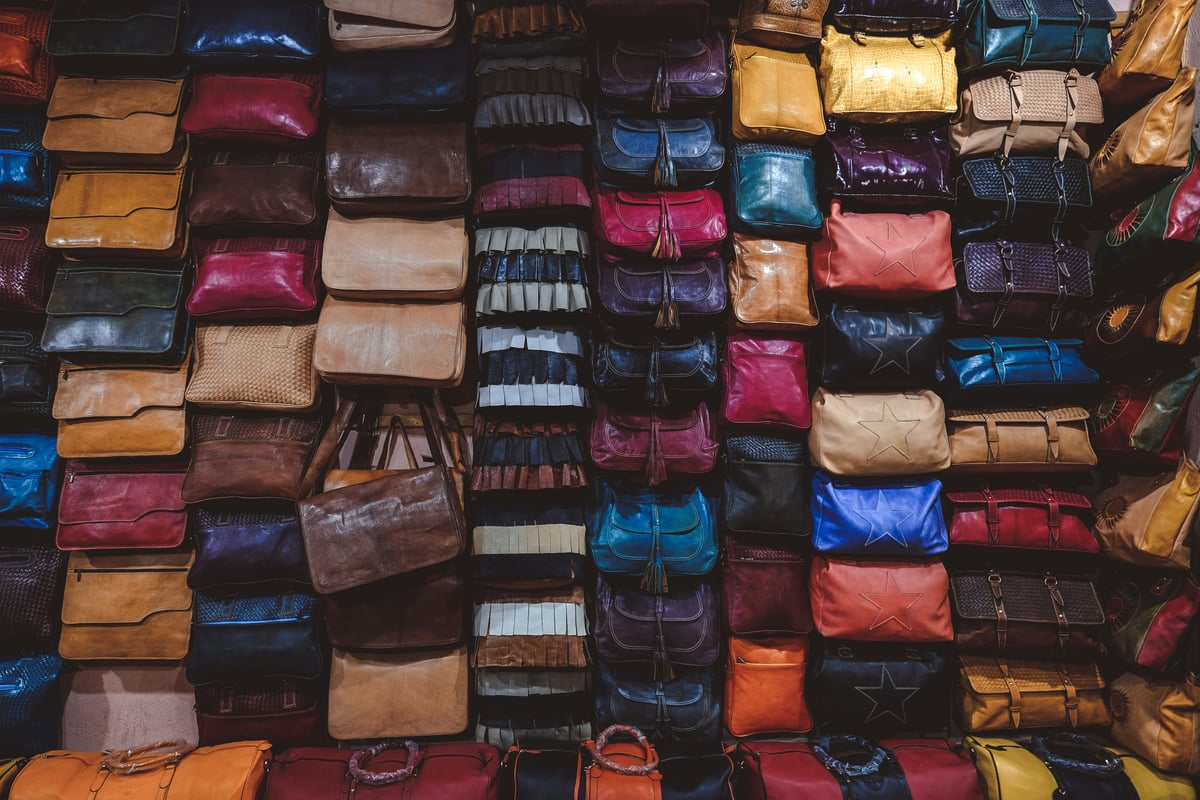
The leather sold at the tannery shops is the real thing, and buying there is fine provided you treat the price as an opening bid and bargain as you would anywhere in the souk. Check the quality, be clear about what you are paying, and never let the drama of the view rush you into a purchase you had not planned. If you do buy, the terrace view was the sales pitch and you can factor that into how hard you negotiate.
Best light, fewest crowds
Morning light is kindest on the pits and the terraces are less crowded early, so an early visit rewards both the photographs and the calm. The tannery sits deep in Fès el-Bali, so it pairs naturally with a first-day guided walk of the medina, when navigation and the tout-management are handled for you.
The tannery is the faux-guide economy in miniature: no ticket, a "closed" lie, a paid steer, and a view that is really a sales floor. How that pattern shapes the wider Fez medina, and the rest of the trip, is worked out in the complete Morocco trip guide.