Jemaa el-Fnaa: How to Do the Square Without Getting Fleeced
Marrakech's legendary square is thrilling and a little predatory. The henna, the monkeys, the food stalls that pad the bill — and how to enjoy it all cheaply.
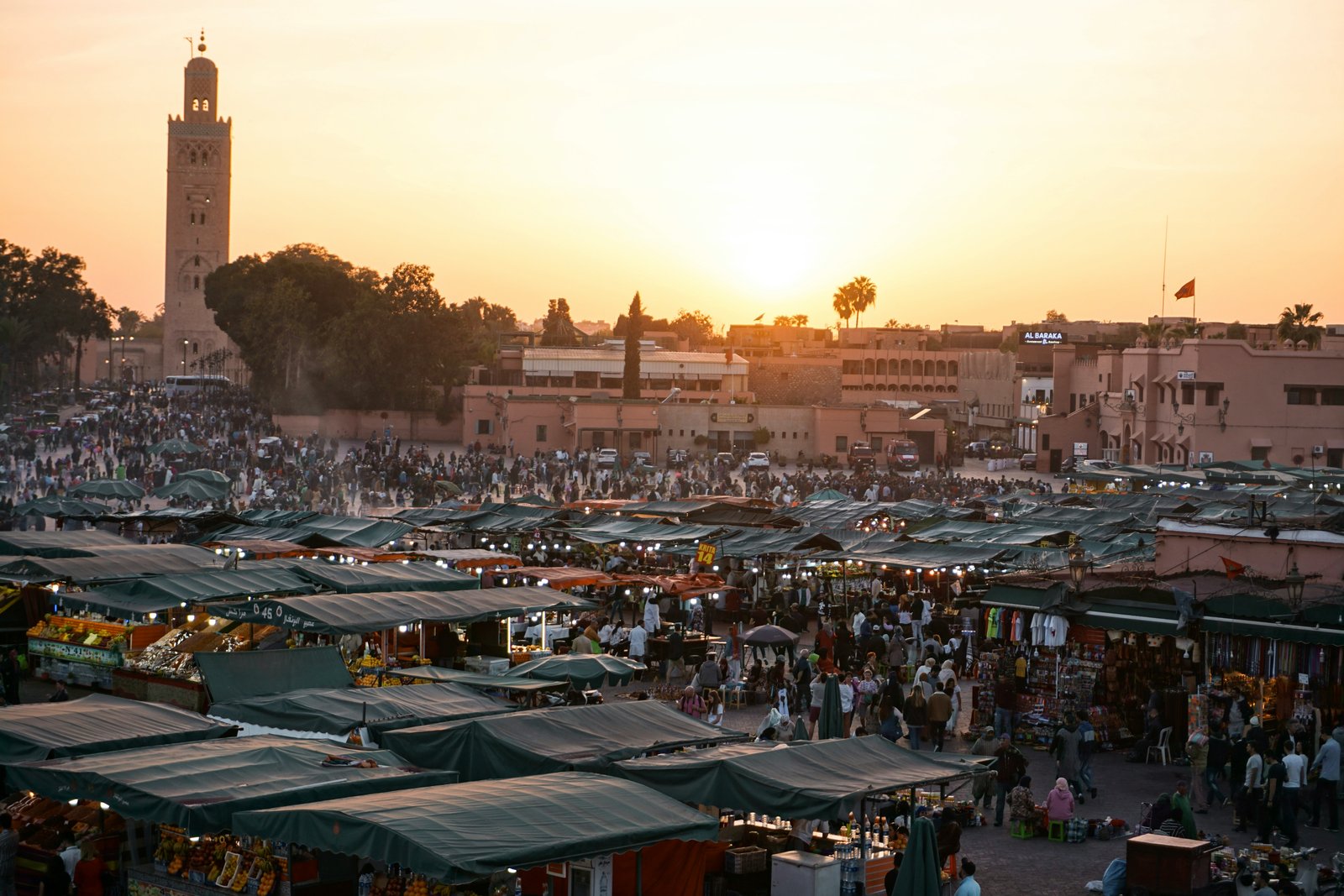
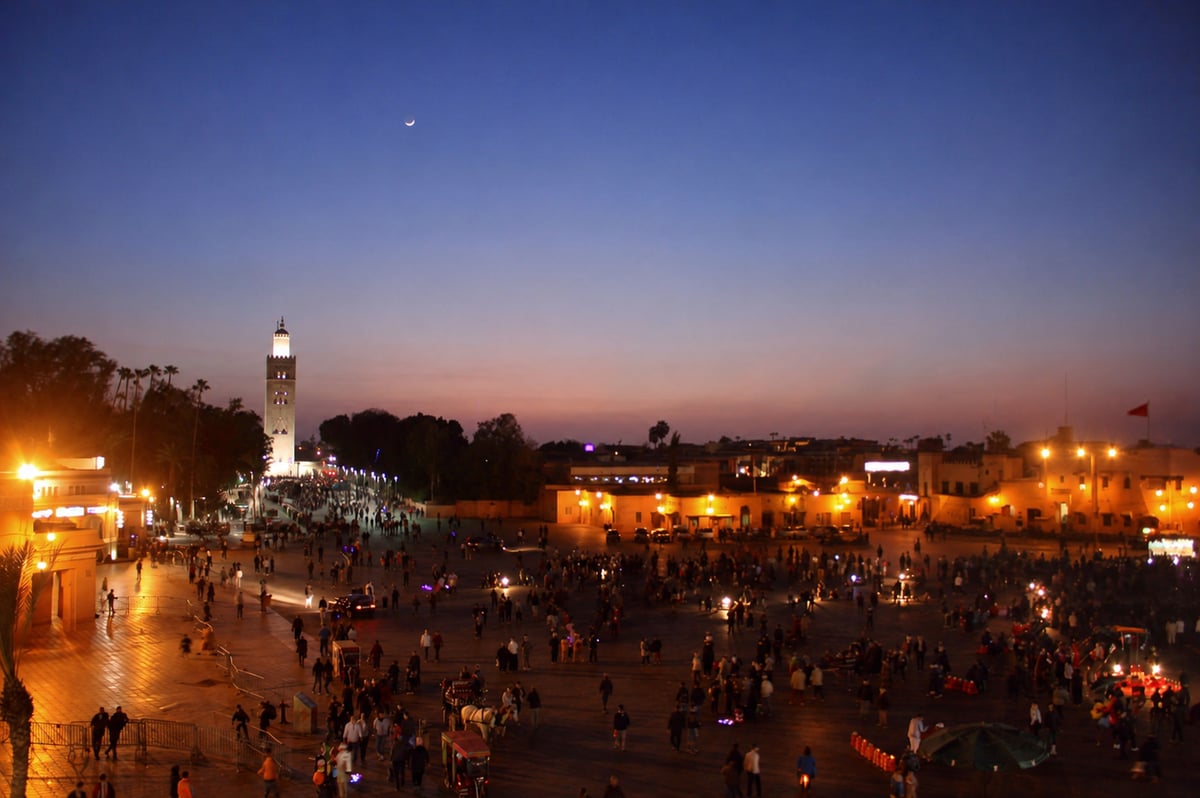
Jemaa el-Fnaa is the beating heart of Marrakech and, at dusk, one of the great spectacles of travel — a vast square that fills with food stalls, musicians, storytellers and crowds as the light fades. It is also mildly predatory in the practiced way of famous tourist squares, and knowing the handful of small traps in advance lets you give yourself over to the theatre of the place without being quietly overcharged for it. Here is how to do the square well.
What the square is
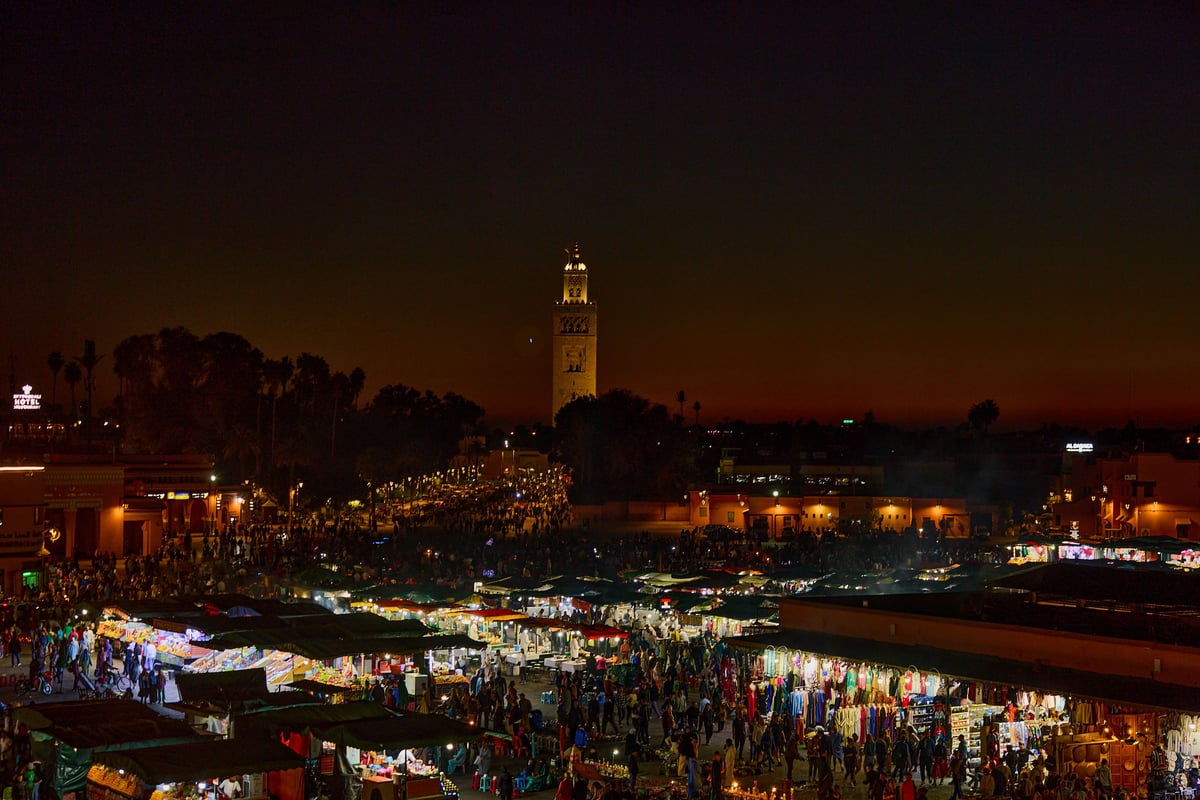
By day Jemaa el-Fnaa is a relatively open plaza with juice carts and a few performers; by evening it transforms into a dense, smoky carnival of food stalls, gnaoua musicians, storytellers and henna artists that is the single most atmospheric hour in Marrakech. The right way to experience it is simply to arrive around sunset, walk in slowly, and let the energy build around you. It is free to wander, and the wandering is the point.
Time your visit for dusk
The square is at its most magical as the sun sets and the food stalls assemble, so aim to arrive in the late afternoon and stay into the evening. A rooftop cafe on the edge gives you the panoramic view first — worth the price of a mint tea — before you descend into the crowd itself. Seeing it from above and then from within is the ideal sequence for a first night.
The small traps, and how they work
A few practiced approaches run on the square, all of them commercial rather than dangerous: henna artists who take your hand and begin before you agree a price, animal handlers who place a monkey or a snake on you and then demand payment, and performers who expect a tip if you so much as photograph them. None is a threat; each works by creating a small obligation you did not consent to. Keep your hands to yourself, decline anything placed on you, and agree any price before, not after.
Photography costs money here
Photographing the performers, water-sellers in their bright costumes, or animal handlers is expected to come with a tip, and snapping without asking reliably produces a demand. Either agree a small payment first or shoot the scene wide without singling anyone out. This is one place where the "ask before photographing people" rule is not just courtesy but a way to avoid a confrontation over money.
Eating at the food stalls
The numbered food stalls that fill the square at night are a genuine experience and mostly good, but the busiest tourist ones pad the bill with unordered extras — bread, olives, dips that arrive unbidden and appear on the tab. Choose a stall busy with locals as well as visitors, confirm what you are ordering, and wave away anything you did not ask for as it lands. Check the bill against what you actually had, and the meal is both cheap and excellent.
Freshly squeezed juice
The orange juice carts are a square institution and inexpensive, though it is worth confirming the price and asking for it without ice if your stomach is cautious. They are a pleasant, low-risk way to take part in the square by day, when the food stalls have not yet assembled. A quick price check before you order heads off the occasional inflated tourist quote.
Enjoying it without the stress
The whole square reduces to a simple posture: arrive at dusk, walk in relaxed, keep your hands and your camera to yourself unless you have agreed a price, pick a busy stall and confirm your order, and let the rest wash over you. Handled that way, Jemaa el-Fnaa is not a gauntlet but one of the most alive places you will stand in on the whole trip. The traps are small; the spectacle is enormous.
The square's small overcharges are the same opening-price habit that runs through the souk and the taxi rank — a first number that assumes you do not know better. How that one habit connects the whole trip is worked out in the complete Morocco trip guide.
For the food stalls in the wider context, see our street food guide; for the souks beside the square, the souk price guide covers bargaining.
Jemaa el-Fnaa: FAQ
When should I visit the square?
At dusk, when the food stalls assemble and the square transforms. Arrive late afternoon and stay into the evening.
What are the traps?
Henna started before you agree a price, animals placed on you for payment, and tips demanded for photos. All commercial, none dangerous — agree prices first.
Can I photograph the performers?
Only with a tip agreed first. Snapping without asking reliably produces a demand for money.
Are the food stalls safe and fair?
Mostly good — pick a busy one, confirm your order, and wave away unordered extras that pad the bill. Check the tab at the end.
Is the orange juice worth it?
Yes, cheap and a square institution. Confirm the price and skip the ice if your stomach is sensitive.