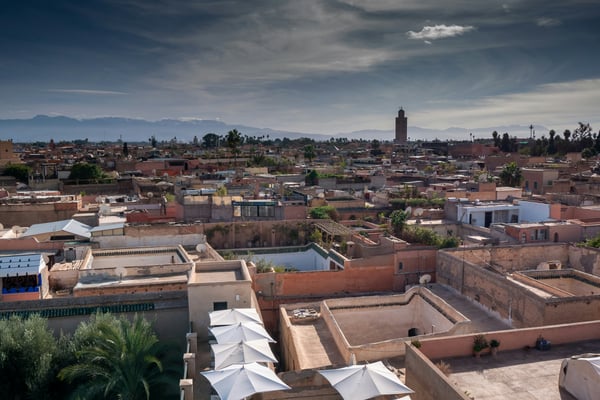
A riad is a traditional Moroccan house built around a courtyard — and staying in one is half the magic of a first trip. Here's what to expect and how to choose.
Ask anyone who's been to Morocco where you should stay, and the answer comes back fast: a riad. For a first-timer it's one of the easiest ways to make a trip feel special — but "riad" is a word most Americans arrive not quite understanding. Here's what a riad actually is, why it's worth it, and how to pick one that fits your trip.
What is a riad?
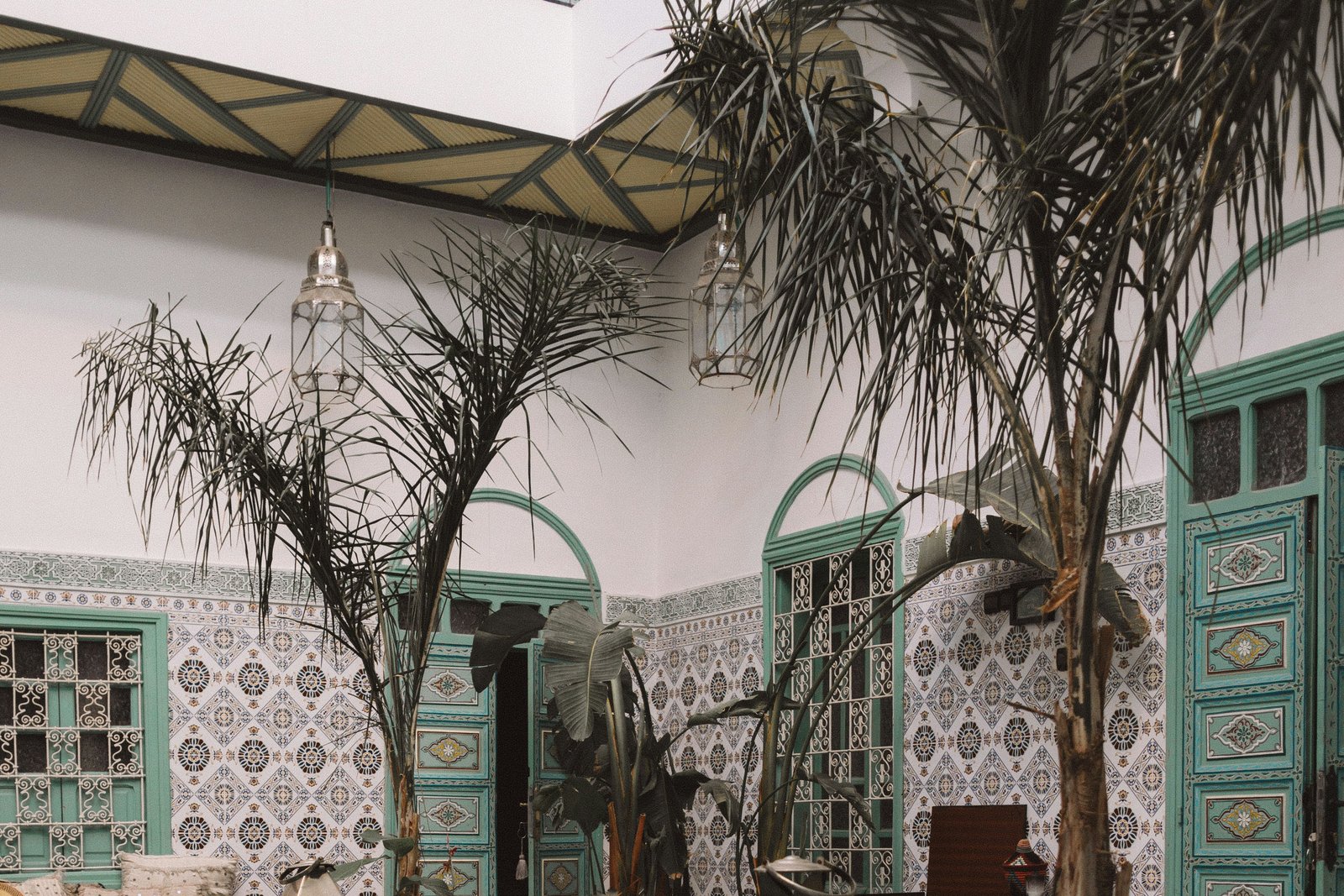
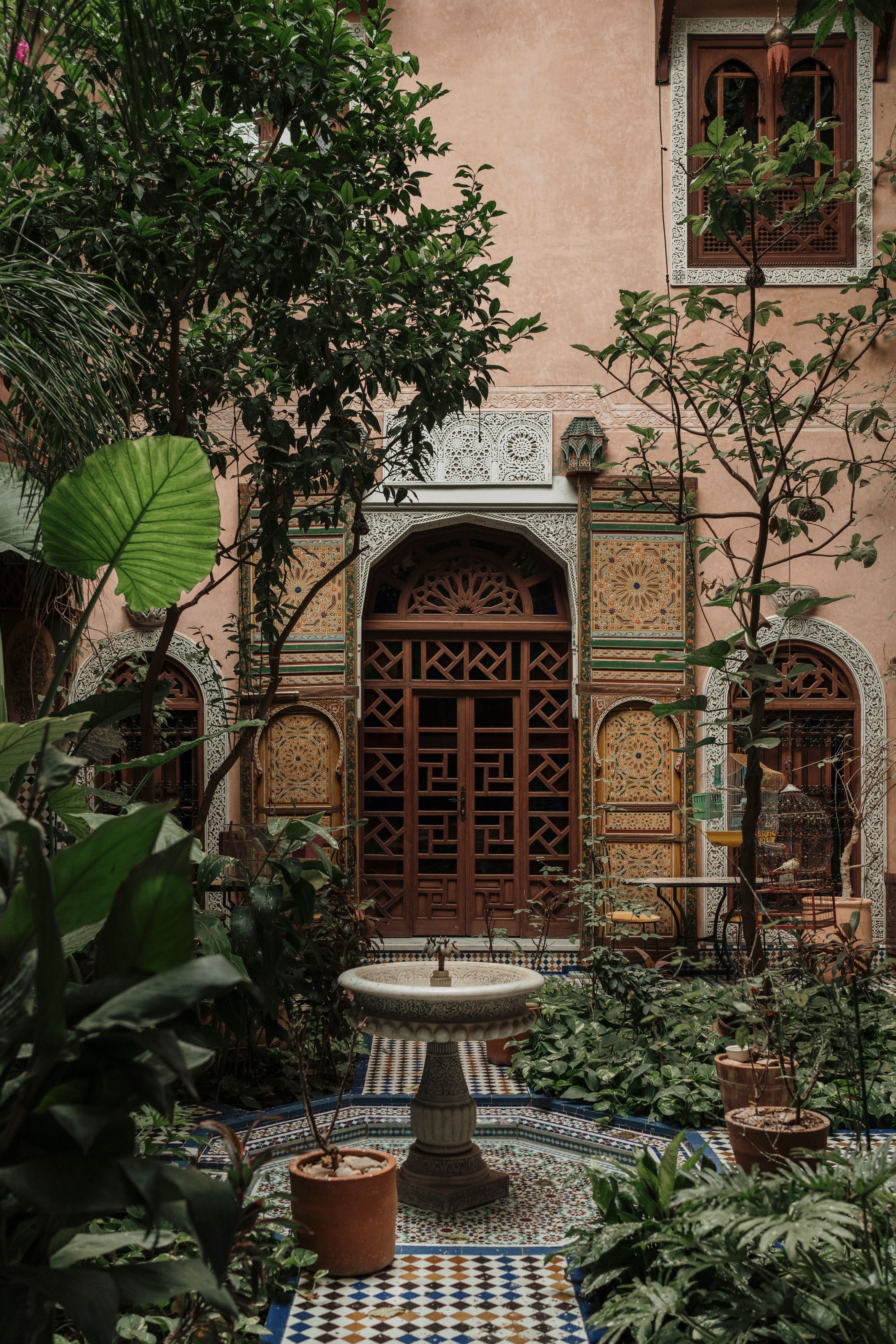
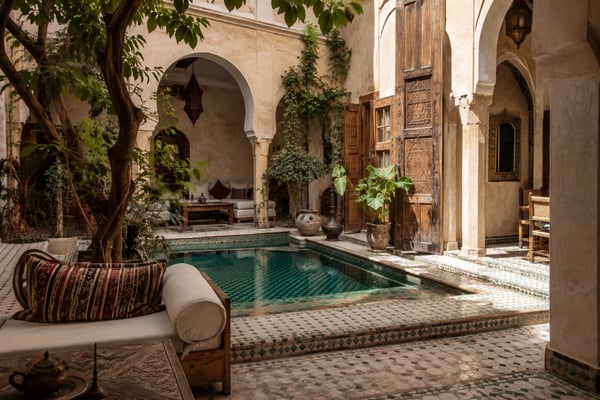
A riad is a traditional Moroccan house or palace built inward around a central courtyard or garden, often with a fountain at its heart and rooms opening onto the open-air middle. The design turns its back on the busy street outside — thick walls, few exterior windows — and opens up internally into a calm, tiled, plant-filled sanctuary. Many have been lovingly restored and converted into small guesthouses, typically with just a handful of rooms, a rooftop terrace, and a level of personal attention closer to a bed-and-breakfast than a hotel.
The magic is the contrast: you step off a chaotic medina lane through an unremarkable door and into a hushed courtyard with a trickling fountain, intricate zellij tilework, and carved cedar. It's a genuinely Moroccan experience you can't really get anywhere else.
Why stay in a riad?
Location inside the medina
Most riads sit inside the old medina, which puts you steps from the souks, squares, and sights — exactly where you want to be, and where cars can't go anyway.
Atmosphere and hospitality
Small size means personal service: staff who help you plan days, arrange a trusted taxi, or serve mint tea when you arrive. Breakfast on a sunny rooftop terrace overlooking the medina is a standard riad pleasure.
A calm base in an intense city
Marrakech and Fez can be gloriously overwhelming. Retreating to the quiet of a riad courtyard at the end of the day is what makes the intensity sustainable.
What to know before you book
Riads are converted courtyard houses inside the medina, and booking one comes with three practical realities: they are genuinely hard to find on arrival, rooms in historic buildings vary enormously in size and light, and stairs are usually unavoidable. Good riads meet you at the nearest car-accessible point and walk you in — message the property before you arrive.
Because they're tucked into the medina maze, riads can be genuinely hard to find on arrival — good ones will arrange to meet you at a car-accessible point and walk you in, so message ahead. Rooms in historic buildings vary; some are small or dark by design, so read recent reviews and look at actual room photos. Not every riad has an elevator or easy luggage access, which matters if stairs are a concern. And while many riads take cards, some smaller ones prefer cash — check when you book.
What's usually included
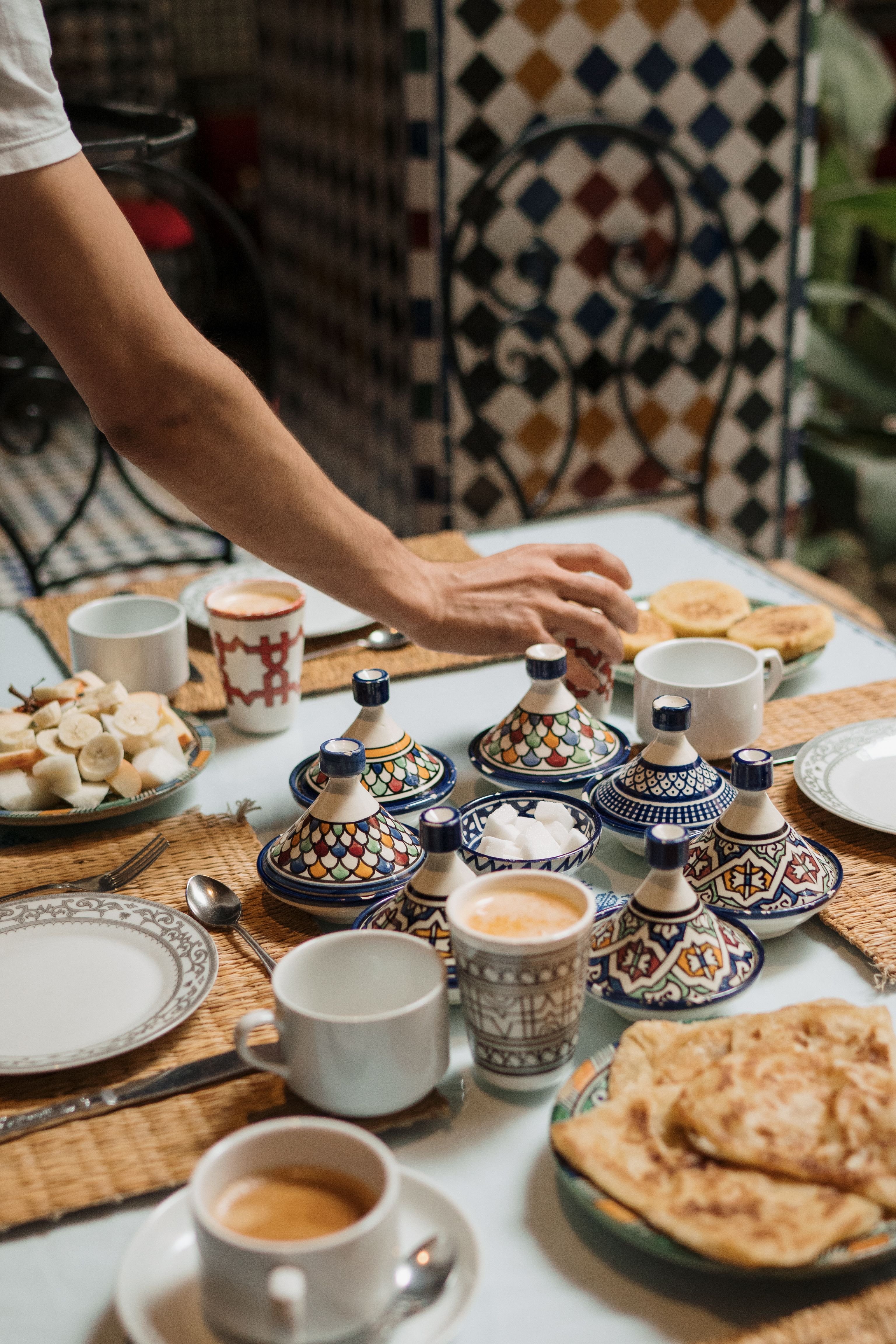
Most riads include breakfast — often a generous spread of Moroccan breads, pancakes (msemen and beghrir), olives, fresh juice, and mint tea, served on the terrace or in the courtyard. Beyond that, the standout riad extra is service you won't find at a big hotel: staff will book a reliable airport transfer, arrange a trusted local guide, call ahead to a hammam, or even cook a traditional dinner on request with a little notice. Many riads also offer this home-cooked dinner as an option, which is a lovely, low-key first night when you don't want to head back out into the medina. Ask what's on offer when you book — the personal touches are the whole point.
How much do riads cost?
Riads span the full range. A simple, well-run guesthouse in the medina can be genuinely affordable, mid-range riads offer beautiful rooms and rooftop terraces for a comfortable nightly rate, and restored-palace riads climb into luxury territory with plunge pools and spa services. Because the best-reviewed small riads have only a few rooms, they book up — reserve early for peak spring and fall dates. For dollar figures across accommodation tiers, see our Morocco trip cost guide.
Riad or hotel?
You don't have to choose one for the whole trip. A common first-timer approach is to stay in riads in the atmospheric cities — Marrakech, Fez, Chefchaouen — where the experience shines, and opt for a modern hotel where it makes more sense, such as near the airport on a travel day, or in Casablanca. Out in the desert, the equivalent experience is a night in a Sahara desert camp, and in the mountains it's a kasbah or guesthouse. Matching your lodging to each place is part of the fun.
How to book a riad
Riads across Marrakech, Fez, and beyond are listed on the major booking platforms, which makes it easy to compare courtyards, rooftop terraces, locations, and recent guest reviews in one place. Filter by medina location and read the latest reviews closely — for riads more than most stays, the recent guest experience tells you what you're really getting. Once you've found one you love, message the property before arrival to arrange the medina meet-up, and you'll start your trip the right way: stepping out of the noise and into your own tiled courtyard.
Choosing where in the medina
Not all medina locations are equal, and it's worth a moment's thought. A riad deep in the heart of the old city is the most atmospheric but the hardest to reach with luggage; one nearer a main gate (a "bab") or a car-accessible edge is easier to get in and out of, especially on arrival and departure days. Light sleepers should check whether a riad sits near a mosque — the pre-dawn call to prayer carries — or above a busy lane. None of this should scare you off a medina stay; it just helps to read reviews with an eye for the practical, not only the pretty. The best riads strike a balance: immersive enough to feel special, reachable enough that day one doesn't start with a suitcase-dragging odyssey.
Where you sleep quietly decides more than comfort: it sets how far you walk, how often you take a taxi, and how much of the medina you meet on foot each day. the complete Morocco trip guide works through the base decision alongside the transport and sequencing calls it drives.
Riad FAQ
What exactly is a riad?
A traditional Moroccan house built around an interior courtyard or garden, often restored into a small, characterful guesthouse with a rooftop terrace.
Are riads worth it for first-timers?
Very much so. They put you inside the medina near the sights, offer personal service, and provide a calm retreat from busy cities — a highlight of most first trips.
Are riads expensive?
They span budgets, from simple guesthouses to lavish restored palaces, so you can find a riad experience at most price points. Book early for the best-reviewed ones.
Is it hard to find a riad in the medina?
It can be — the medina is a maze. Good riads arrange to meet you at a car-accessible point and walk you in, so message the property before you arrive.