Getting around Morocco is easier than its reputation suggests. Between comfortable trains, reliable long-distance buses, and cheap local taxis, most first-timers can navigate the country without ever renting a car. Here's how each option works and when to use it.
Trains (ONCF): the backbone
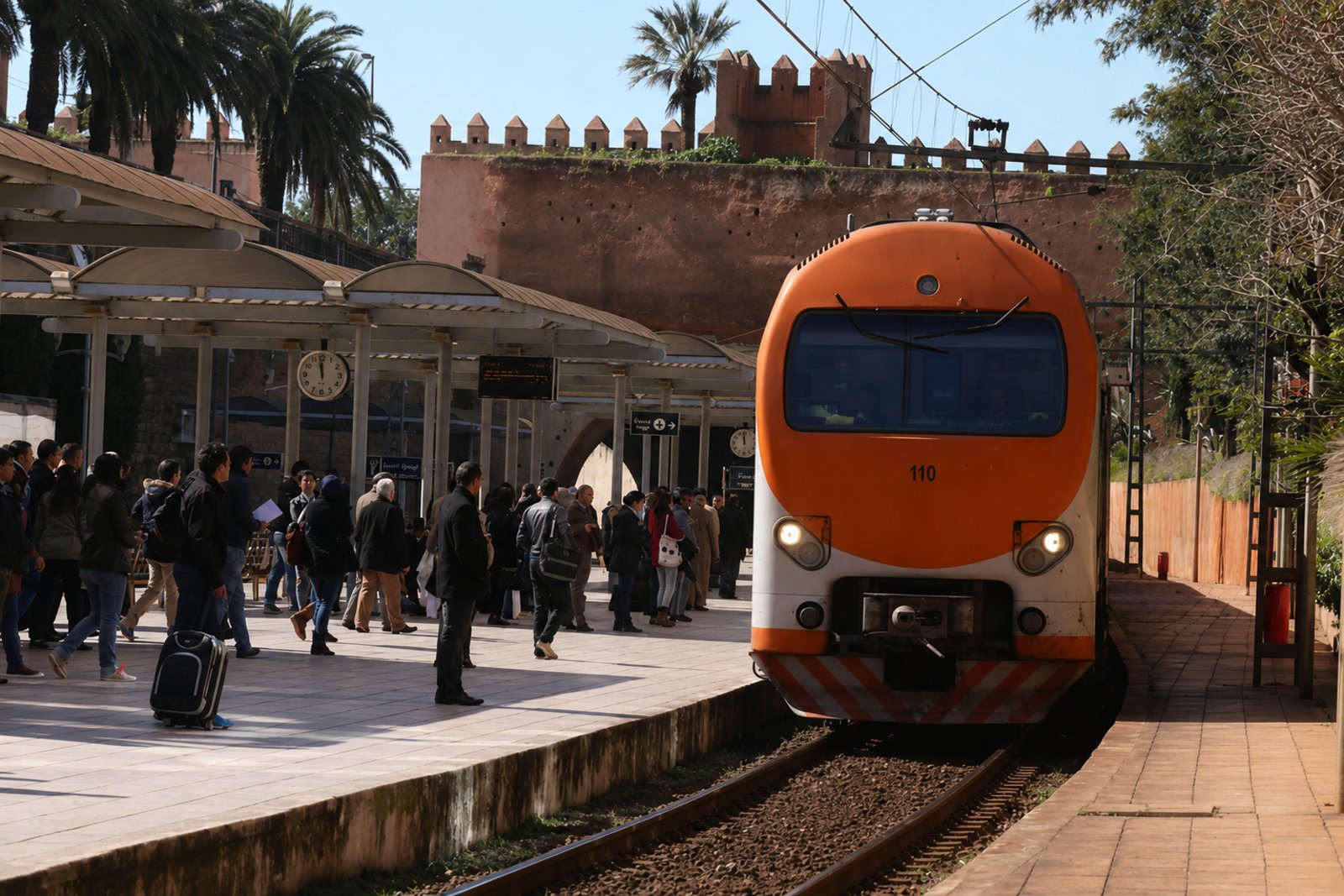
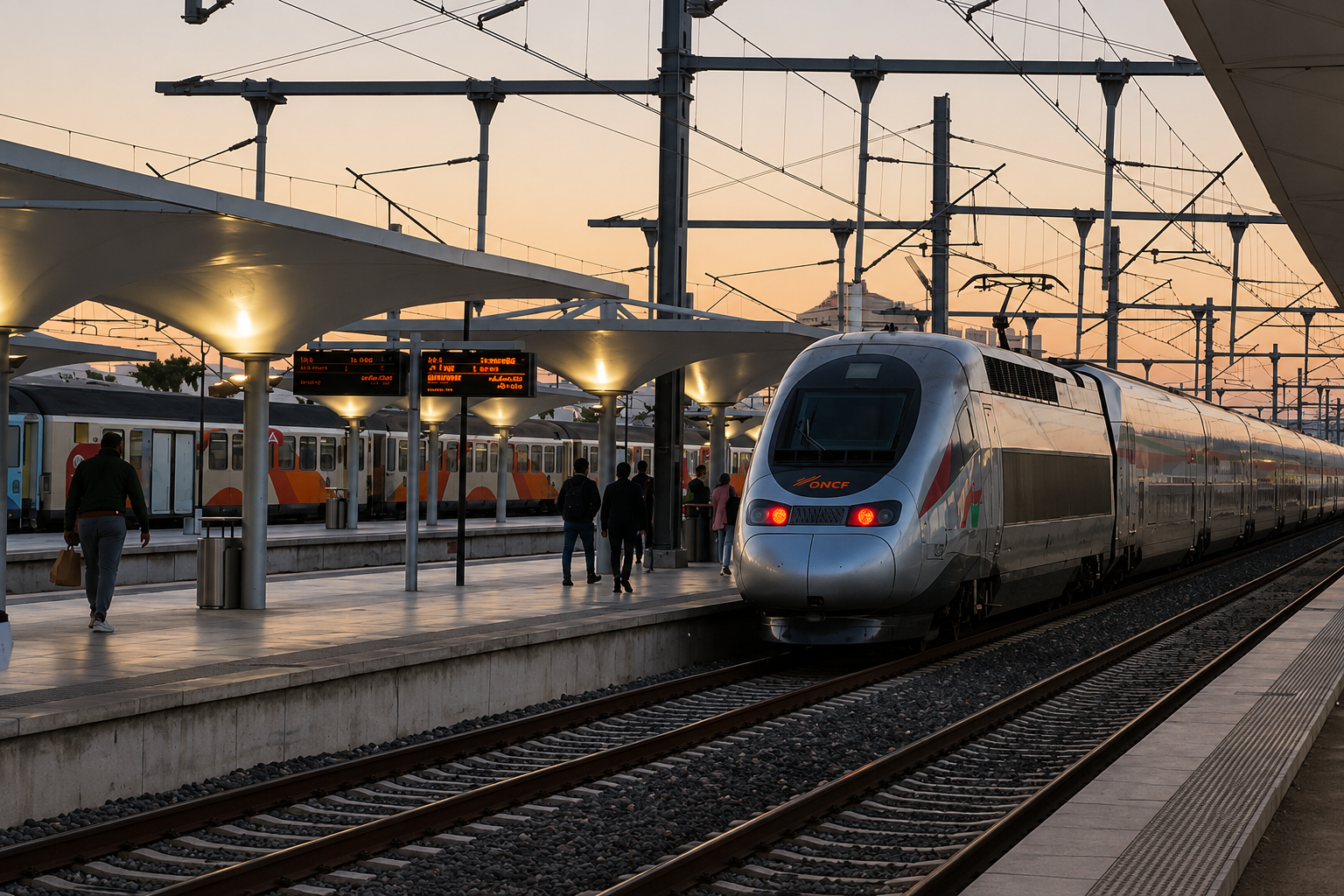
Morocco's national rail network, ONCF, is comfortable, punctual, and cost-effective — the best way to travel between the major cities it serves: Casablanca, Rabat, Fez, Marrakech, and Tangier. The Al Boraq high-speed line connects Tangier and Casablanca in a fraction of the old time. Book first class for a reserved seat and a little more comfort, especially on busy routes; second class is cheaper and fine but can be crowded. The key limitation to remember: there is no train to Chefchaouen, Essaouira, or the Sahara — those need buses or other transport. You can check schedules and book on the ONCF website or at station counters.
Buses (CTM and Supratours): filling the gaps
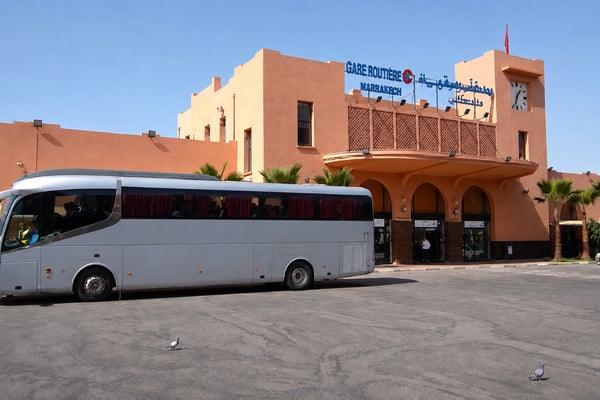
For destinations off the rail network, intercity coaches are the answer, and two companies stand out for reliability and comfort: CTM and Supratours. These are the buses to take to reach Chefchaouen, Essaouira, and the Sahara gateway towns. They're comfortable, air-conditioned, and run on schedules — a world apart from the cheaper local buses. Book ahead in high season, as popular routes sell out. Avoid the informal, unmarked local buses for long trips; the extra few dollars for CTM or Supratours is well worth it.
Taxis: petit and grand
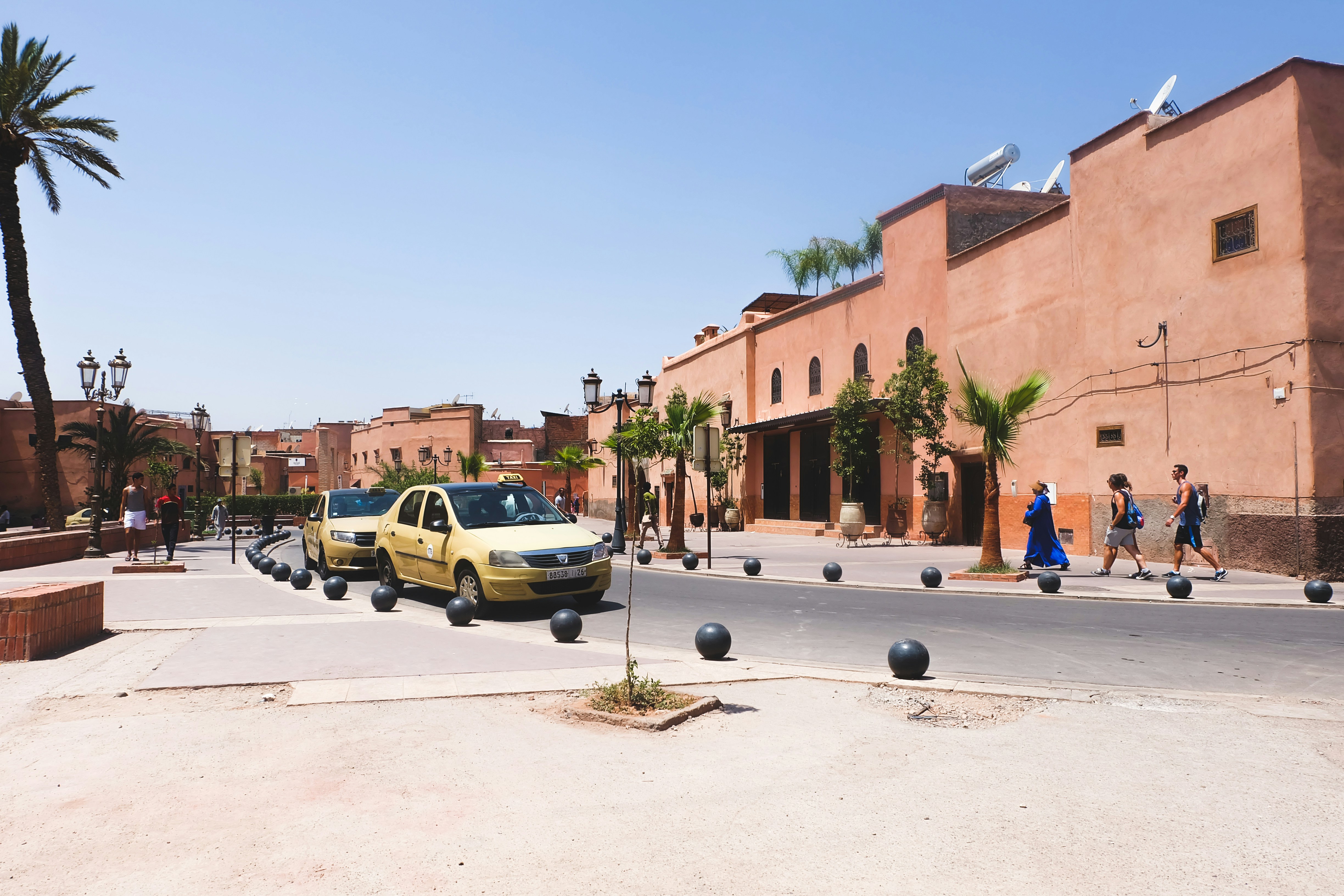
Morocco has two kinds of taxi and they do different jobs. Petit taxis are small metered cars that work only inside a city and take up to three passengers. Grand taxis are older shared sedans running fixed intercity routes, leaving when six passengers have paid. Knowing which one you need before you walk up to the rank saves both confusion and money.
Petit taxis
Small, metered taxis for getting around within a city. They're cheap, but drivers sometimes claim the meter is "broken" — insist on the meter or firmly agree a fare before getting in. They can't leave city limits and typically take up to three passengers.
Grand taxis
Older, larger shared taxis (often Mercedes sedans) that run fixed intercity routes, leaving when full — usually six passengers crammed in. They're a cheap, local way to cover routes without buses, and you can also pay to charter the whole car for a private trip. Agree the price and whether you're sharing or chartering before you set off.
Ride-hailing apps
In larger cities, ride-hail apps like Careem, Heetch, and inDrive operate and can be convenient — you get a set price and skip the meter negotiation. Coverage is best in Casablanca and other big cities; smaller towns rely on traditional taxis. Having a data connection makes these apps usable from the moment you land.
Should you rent a car or hire a driver?
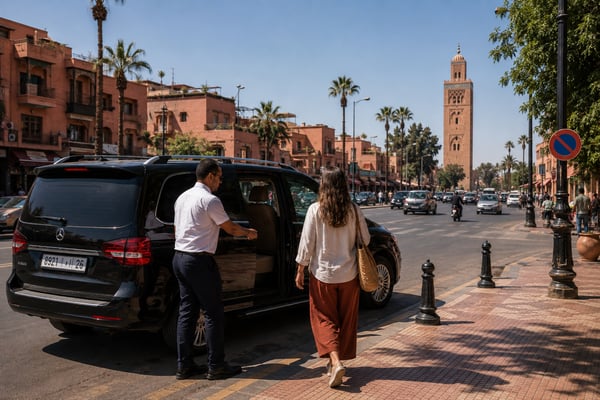
Renting a car gives freedom for rural routes and the mountains, but city driving is chaotic and parking is a headache, so many first-timers skip it — see our car rental guide. A popular middle path is hiring a private driver for specific legs (like the desert or a mountain day), which removes the stress while keeping flexibility. For the long desert journey especially, a driver or organized tour is the norm. Remember Morocco drives on the right, like the U.S., and police checkpoints are common — keep your documents handy.
Domestic flights: usually unnecessary
Morocco does have domestic flights, mostly on Royal Air Maroc and a low-cost affiliate, linking cities like Casablanca, Marrakech, Fez, and the far south. For the compact classic first-timer loop, they're rarely worth it — the cities are close enough that trains and buses are simpler, cheaper, and skip the airport hassle. Flying only really makes sense if you're heading somewhere far-flung like the deep south (Dakhla) or trying to save a long day of overland travel on a tight schedule. For the standard Marrakech–desert–Fez–Chefchaouen route, keep it on the ground; you'll see more and spend less.
Practical tips for smooth travel
A few habits make Moroccan transport easier. Book trains and CTM/Supratours buses in advance during peak spring and fall seasons, when seats sell out. Carry small bills and coins — drivers and stations rarely break large notes easily. Keep some cash on you always, since not everything takes cards. Build buffer time around connections; while trains are punctual, buses and shared taxis run on looser schedules. Have your accommodation's location and a nearby landmark saved offline, because the final approach — especially into a medina — is often on foot. And keep your passport handy on the road for the police checkpoints that are routine on intercity routes, particularly heading south toward the desert.
Putting it together
A typical first-timer combines them all: trains between Marrakech, Casablanca, and Fez; a CTM or Supratours bus to Chefchaouen or Essaouira; petit taxis within cities; and a guided tour or private driver for the Sahara. It's an affordable, flexible mix that covers the whole classic loop without the stress of self-driving. Plan the route with our 10-day itinerary.
Accessibility and comfort notes
A realistic note for those with mobility concerns: Morocco's older medinas, trains, and buses aren't always step-free, and grand taxis can be a tight squeeze. If accessibility matters, a private driver with a comfortable vehicle is the smoothest option and worth the cost, letting you skip crowded stations and cram-full shared taxis. For everyone else, first class on trains and the premium CTM/Supratours buses offer plenty of comfort at low cost. Families with young kids often find a private driver for longer legs removes a lot of stress, while trains are easy and fun for children on the city-to-city hops. Match the transport to your group, and the whole trip flows better.
Each mode here has its own price logic, and they interact: the leg you take by train changes which city you can base in, and the leg you take by grand taxi changes what you should be carrying in cash that morning. the complete Morocco trip guide charts those connections across a full first-timer route.
Getting around Morocco FAQ
Is it easy to get around Morocco without a car?
Yes. Trains link the major cities, CTM and Supratours buses cover the rest, and taxis handle local trips. Most first-timers never need to drive.
Are trains or buses better in Morocco?
Trains are best between the cities they serve (Casablanca, Rabat, Fez, Marrakech, Tangier). For Chefchaouen, Essaouira, and the Sahara — which have no train — take CTM or Supratours buses.
What's the difference between petit and grand taxis?
Petit taxis are metered and stay within a city; grand taxis are shared (or chartered) sedans running fixed intercity routes. Agree fares in advance for both.
Do I need to rent a car in Morocco?
Usually not. Public transport and drivers cover most trips. A car helps for rural and mountain exploring, but city driving is stressful, so many skip it.