Guided Day Tours in Morocco: What They Really Include
A cheap day tour often makes its money at the stops, not the ticket. What's usually included, what's quietly extra, and the questions to ask before booking.
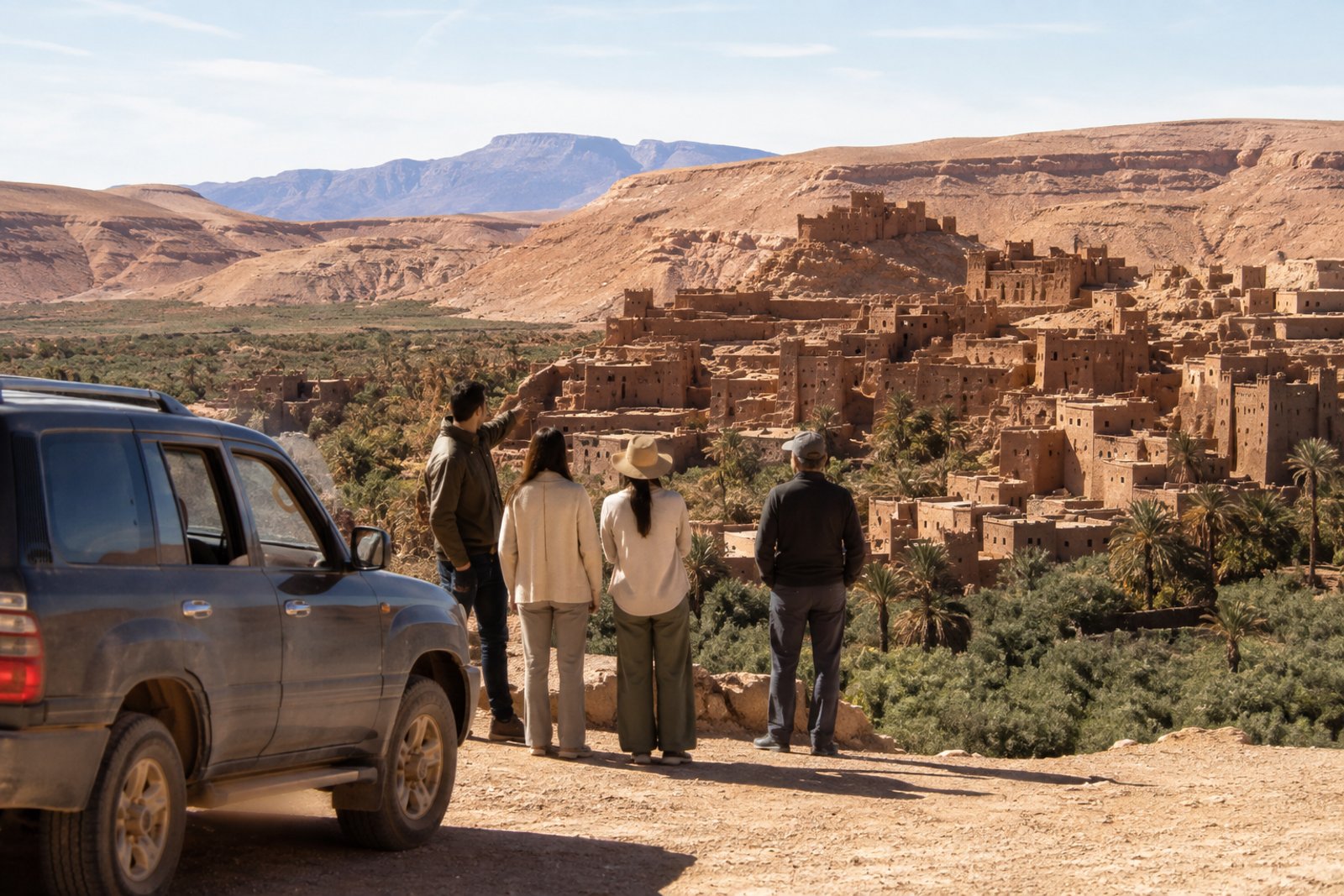
Guided day tours are one of the easiest ways to see Morocco's sights without arranging your own transport, but the cheap headline price often conceals where the tour actually makes its money: the shopping stops. Understanding what a day tour typically includes, what is quietly extra, and how the commission stops work lets you book the right one and enjoy it without the mid-trip surprises travellers most often report.
What's usually included
A standard day tour generally includes transport in an air-conditioned vehicle, a driver and sometimes a guide, and the route between the advertised sights. What it often does not include, despite the impression the price gives, is entry fees to monuments, lunch, and any activities at the stops. Reading the inclusions line by line before booking is the single habit that prevents a "cheap" tour becoming an expensive day once the extras are added.
The commission stops
Many day tours, especially the cheaper ones, build in stops at carpet shops, argan cooperatives or craft workshops where the operator earns a commission on what the group buys, and these stops can eat a real chunk of the day. The stop itself is not a scam — the goods are genuine — but a tour priced below the obvious cost of the transport is usually recouping the difference at the till. If the itinerary is vague about shopping, ask directly.
Ask before you book
The questions that save the day are simple: what exactly is included, are entry fees and lunch extra, and how many shopping stops are on the route. A reputable operator answers clearly and in writing; evasiveness on the shopping question is itself informative. Booking a slightly more expensive tour that is honest about its inclusions often costs less overall than a cheap one padded with commission stops.
Group tours versus private
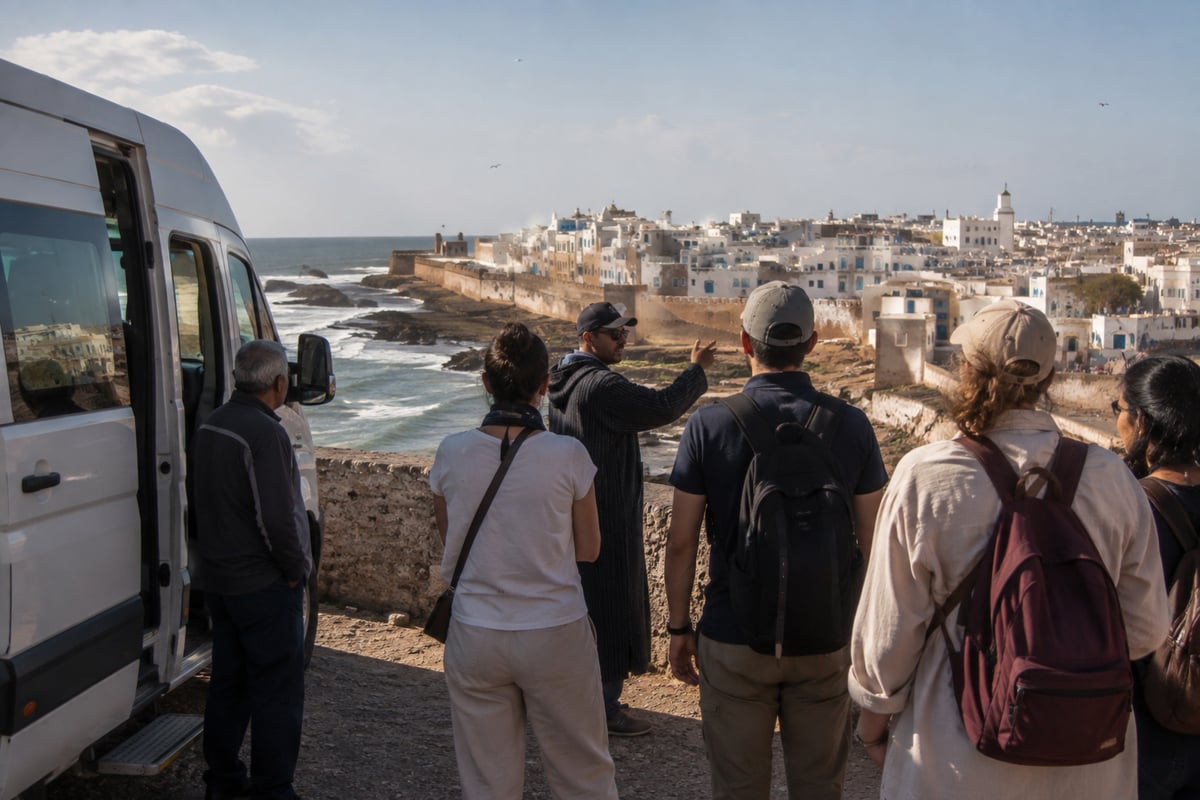
Day tours come as shared group trips or private ones, and the trade is familiar: group tours are cheaper and social but fixed in pace and prone to the shopping stops, while private tours cost more and buy flexibility, fewer detours, and the ability to say "no shopping today" and be heard. For a family or a group, a private day tour is often better value than it first appears once you factor in the control it buys.
The long-day trap
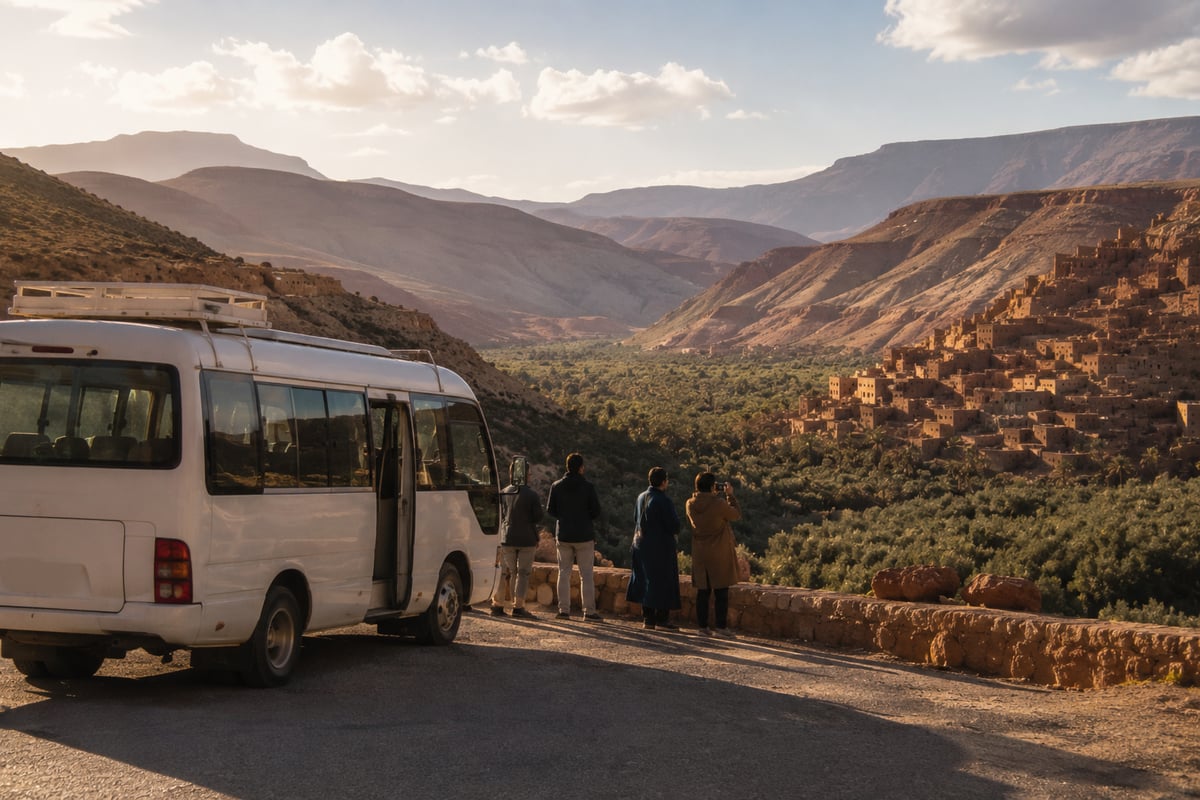
Some cheap tours pack so much driving and so many stops into a single day that the sights themselves get only minutes, and the commission stops get the hours. A day trip that promises the desert, a pass, a kasbah and three viewpoints all in one day is often mostly a day in a minibus. Reading the itinerary for how long you actually spend at each place, versus in transit and at shops, tells you whether the day is a tour or a transfer with detours.
Multi-day tours and the same rules
Everything true of a day tour applies doubly to a multi-day one, where the shopping stops and vague inclusions compound over several days. Confirm the same points — entry fees, meals, shopping stops, time at each sight — before booking a two or three-day desert trip, and get the answers in writing. The longer the tour, the more a few unasked questions can shape, for better or worse, how the days actually feel.
Getting a good day out of it
To make a day tour work, book one with transparent inclusions, confirm the shopping stops in advance, carry cash for the entry fees and lunch that may be extra, and be comfortable declining to buy at any stop. A well-chosen tour is a genuinely efficient way to see distant sights; a badly chosen one is a slow day of showrooms. The difference is almost entirely in the questions you ask before you pay.
The day tour's hidden economics are the same commission structure that runs through guides, shops and drivers across the whole trip — a cost you pay through someone you do not see. How to read it everywhere it appears is worked out in the complete Morocco trip guide.