Moroccan public holidays: what actually closes on Eid, Throne Day and Green March, and what stays open
Civic holidays like Throne Day close Morocco's banks and offices but not its souks, while the two Eids shut shops for days and pack the trains, so the date in your route matters more than the holiday.
Affiliate disclosure: this guide contains affiliate links. If you book through them we may earn a commission, at no extra cost to you.
Moroccan public holidays come in two kinds, and they close very different things. The fixed civic holidays, such as Throne Day and Green March, shut banks, government offices and post offices for the day while the souks, cafes, riads and sights carry on almost as normal. The religious holidays, above all Eid al-Fitr and Eid al-Adha, are another matter: shops close for days, families travel, and trains and roads fill. Knowing which kind falls in your trip is most of the planning.
Here is what each holiday actually changes for a visitor, what stays open, and how to tell whether a date in your trip needs planning or can be ignored.
The two kinds of Moroccan holiday
Moroccan public holidays split into fixed civic dates on the Gregorian calendar and religious festivals on the lunar Islamic calendar. The civic holidays fall on the same date every year and mostly close the state: banks, ministries, post offices and some museums. The religious holidays move about eleven days earlier each year, are announced only when the new moon is sighted, and close the private economy too, which is the part a traveler actually uses.
That split is the whole trick. A civic holiday is an inconvenience if you need a bank counter or a government office, and invisible otherwise. A religious holiday can reshape two or three days of a trip.
What closes on the fixed civic holidays
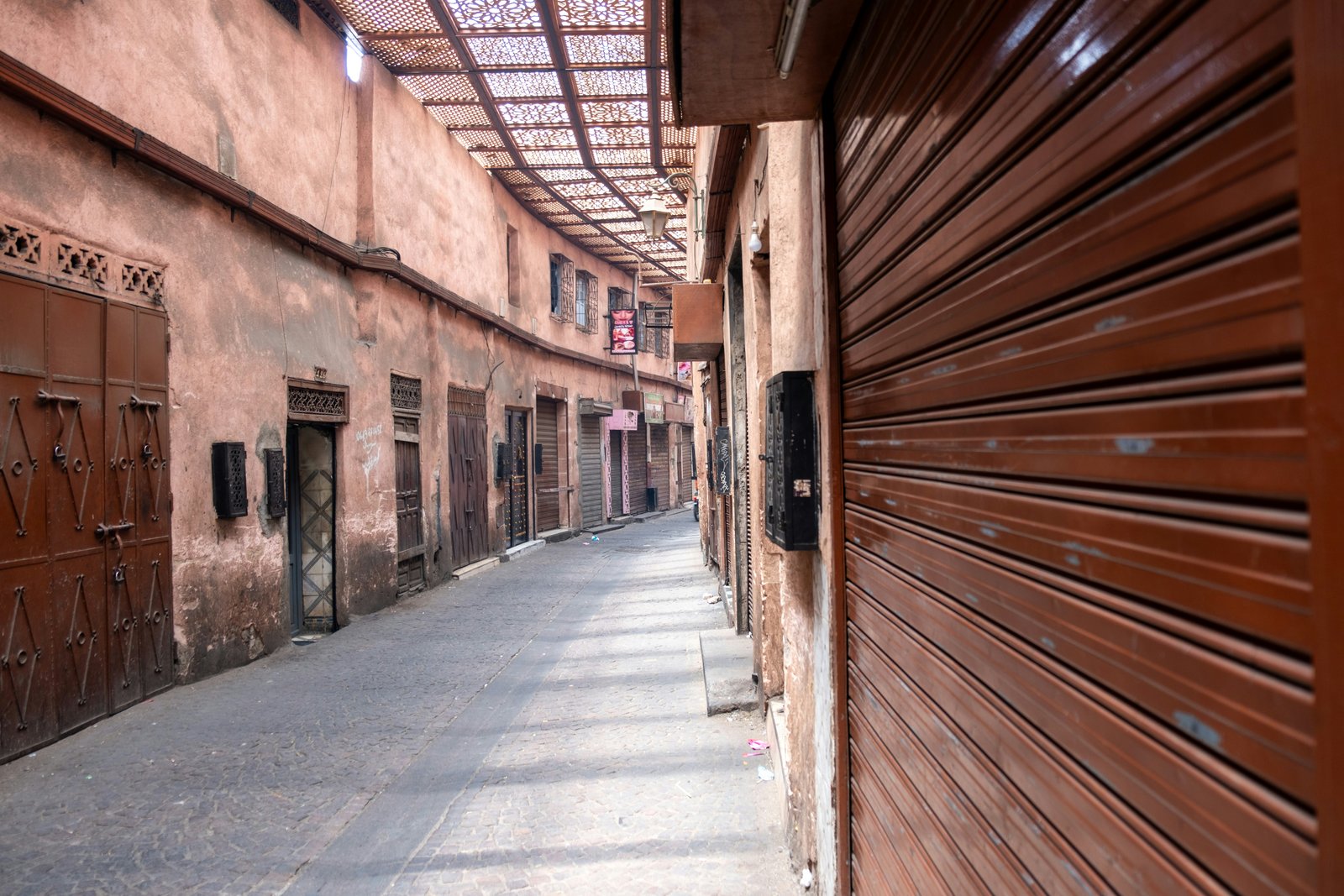
The fixed civic holidays in Morocco, including New Year on January 1, the Independence Manifesto on January 11, Amazigh New Year on January 14, Labor Day on May 1, Throne Day on July 30, the August holidays, Green March on November 6 and Independence Day on November 18, close banks, government offices and post offices. Medina souks, restaurants, cafes, riads, taxis, trains and most monuments keep running, often with a festive air.
Throne Day, Green March and Independence Day
Throne Day marks the king's accession and is the biggest civic celebration of the year, with flags along the main streets and official speeches. Green March in November commemorates the 1975 march into the Western Sahara, and Independence Day, twelve days later, marks the end of the French protectorate. For a visitor all three look much alike: offices shut, red flags everywhere, and evening crowds in the main squares. If you are in Morocco in early or mid November, these are the holidays you will meet, and neither one is a reason to move a single night.
Banks are the one real catch
Bank branches and exchange counters inside banks close on every public holiday, but ATMs keep working, and so do most private exchange bureaus in the tourist districts. Take out cash the day before a holiday, because a machine in a busy medina can run dry by evening on a long weekend. If you are carrying a lot of cash in or out, Morocco's customs rule caps the dirhams you can carry in or out at 2,000 MAD (import and export), so the habit is to withdraw small amounts more often rather than stock up.
What closes on Eid al-Fitr and Eid al-Adha
Eid al-Fitr, which ends Ramadan, and Eid al-Adha, the Feast of the Sacrifice about two months later, are the holidays that close Morocco for a traveler. On both Eids most family-run shops, souk stalls, small restaurants and many artisan workshops shut, some for the first day only and many for several days. Hotels, riads, big-chain restaurants, supermarkets in the new towns and the main monuments generally stay open.
Eid al-Adha is the bigger closure
Eid al-Adha empties the medinas more than any other day of the year. Families who can afford it sacrifice a sheep at home, the cities fill with the smoke of grilling in the afternoon, and many shopkeepers and staff go back to their home villages for the week. Expect the Marrakech and Fez souks to be half-shuttered for several days, and expect riad breakfasts to be cooked by whoever stayed behind. It is a fascinating moment to witness, but a poor one for shopping or for a long list of guided visits.
Eid al-Fitr is shorter and lighter
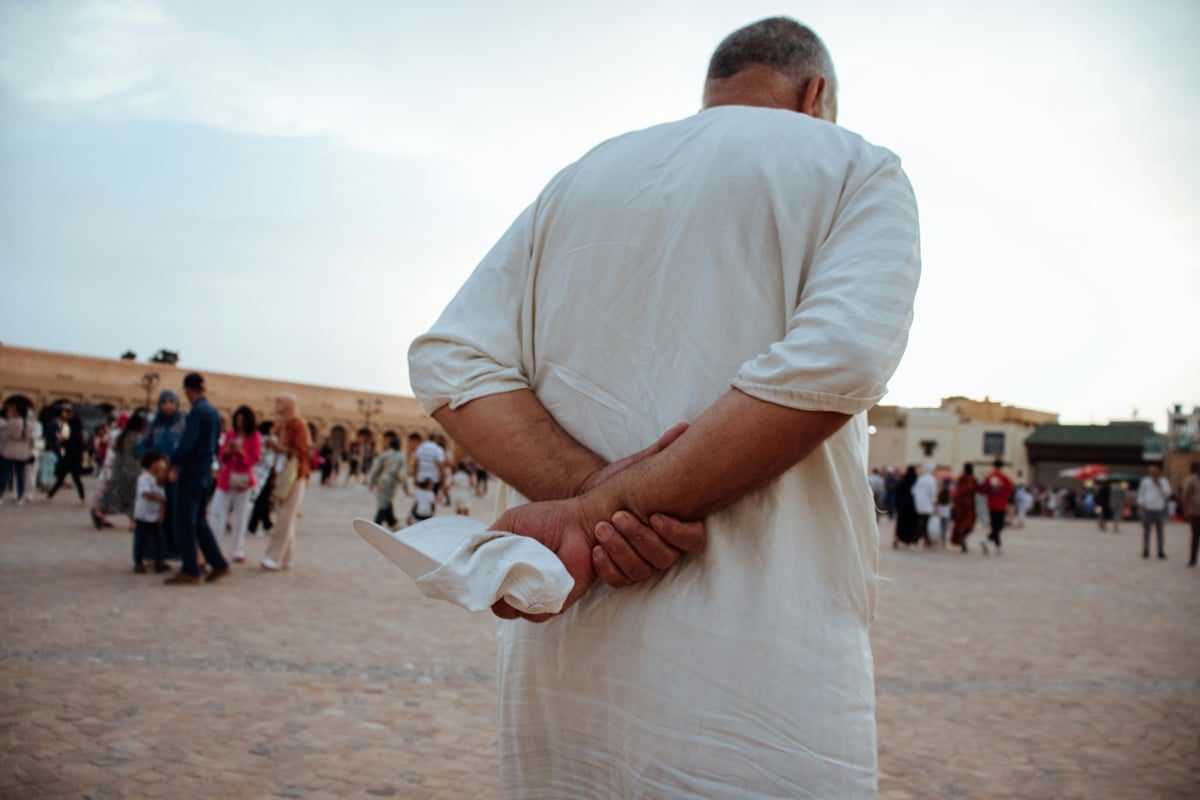
Eid al-Fitr is a festival of new clothes, sweets and family visits after a month of fasting. Morning prayers fill mosque courtyards and open squares, and the rest of the day is spent at home. Shops are often closed on the first day and reopen gradually, so the impact is usually a day or two rather than a week. The month before it is its own planning question, covered in our guide to traveling in Morocco during Ramadan.
The other religious days
The Islamic New Year and the Prophet's Birthday, called Mawlid or Eid al-Mawlid, are also public holidays on the lunar calendar. They close banks and offices like the civic dates, with some shops shutting for the day, but they do not empty the medinas the way the two Eids do.
Why the Eid dates are hard to pin down
The Eid dates in Morocco are hard to pin down because the Ministry of Habous and Islamic Affairs confirms each one only after a moon sighting, usually the evening before. Calendars published in advance are estimates, and Morocco's date can differ by a day from Saudi Arabia's or Egypt's. The clock itself is no longer a variable: Morocco runs on UTC+0 (GMT), year-round from 20 Sept 2026.
The practical response is to treat any estimated Eid date as a window of three days rather than one, and to avoid booking anything that cannot move, such as a hammam you have prepaid or a one-shot cooking class, inside that window.
Transport on Moroccan holidays
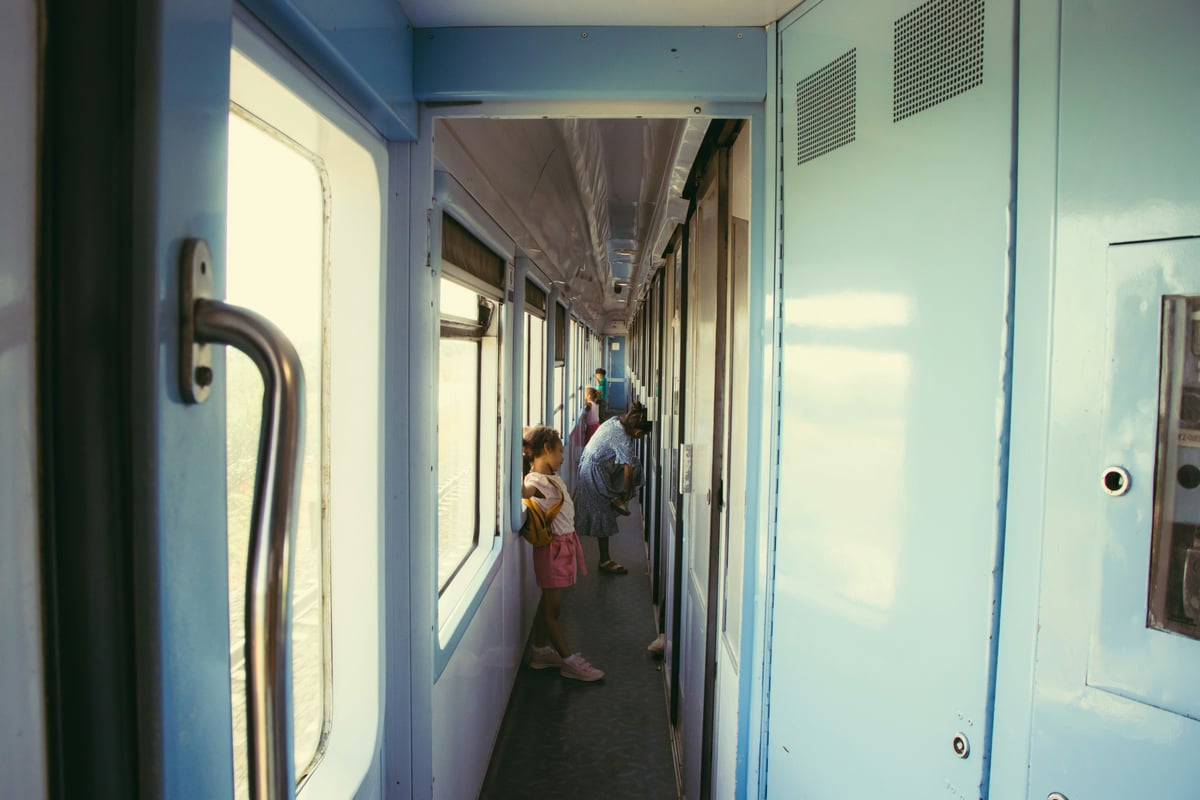
Transport on Moroccan holidays is the cost visitors underestimate. Around both Eids, millions of Moroccans travel home, so ONCF trains, CTM and Supratours coaches and grand taxis sell out or raise fares in the days before, and the roads out of Casablanca and Rabat jam. On the day itself service thins. Civic holidays barely touch transport beyond a long-weekend rush.
If a train leg falls within a few days either side of an Eid, book it the moment tickets open and buy first class for the reserved seat; our guide to ONCF trains covers how. A private transfer booked well ahead is the other safe option, and the worst plan is to arrive at a coach station on the eve of Eid hoping for a seat.
What stays open, whatever the holiday
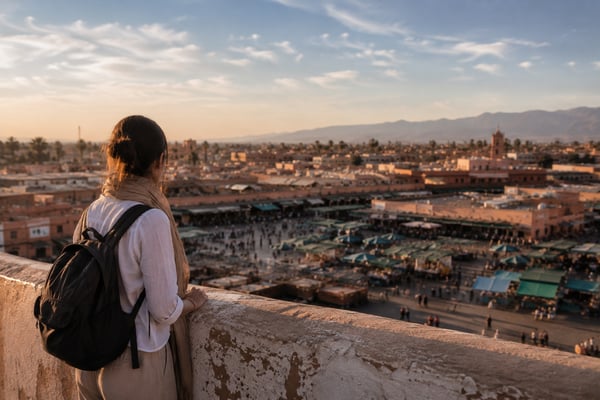
Whatever the holiday, a few things in Morocco stay open: hotels and riads, airports and flights, ATMs, pharmacies on the rotating duty list, the big supermarkets in the new towns, and most major sights such as the Bahia Palace, the Majorelle Garden and Fez's medersas. Squares like Jemaa el-Fna get busier on holiday evenings. A holiday rarely leaves a visitor stuck, only short of shops.
Where you sleep matters more over Eid than on any other date, because a riad with a kitchen and a host who stays in town makes those quiet days easy, while one in a shuttered lane can feel deserted. Book early, since Moroccan families take the same rooms.
Morocco is not closed on Fridays. The Moroccan working week runs Monday to Friday, with Saturday and Sunday the official weekend, so banks and offices open on Friday. What changes is midday: many shops and stalls close for an hour or two around Friday noon prayers, and some medina shopkeepers take the whole afternoon off. Plan Friday mornings for sights and shop later in the day.
So the answer to "what closes" is simple. Civic holidays close the state, the two Eids close the shops and fill the transport, and Friday noon is a pause, not a closure. A holiday is not the problem in itself. The problem is where it lands in your route. An Eid that falls on a quiet riad day in Fez costs nothing; the same Eid on the day you planned to cross from Marrakech to the desert, or to shop the souks before flying home, costs the leg. Which leg goes on which day, so that the closures land on rest days rather than travel days, is one of the sequencing calls worked out in the complete Morocco trip guide. For the season as a whole, our best-time-to-visit guide covers the weather side.
Moroccan public holidays: FAQ
Do the souks close on Moroccan public holidays?
Not on the civic holidays, when souks run almost as normal. On Eid al-Fitr and especially Eid al-Adha, most stalls close, some for several days.
Are tourist sites open on Eid?
Most major monuments and gardens stay open, sometimes with shorter hours. Smaller private museums and workshops are more likely to close.
Can I get cash on a holiday?
Yes. Bank branches close but ATMs keep working. Withdraw the day before, because busy machines can run out on long weekends.
When exactly is Eid this year?
Morocco confirms each Eid after a moon sighting, usually the evening before. Treat published dates as a three-day window.
Should I avoid traveling during Eid?
Not necessarily. Avoid long travel days and big shopping plans right around it, book transport early, and enjoy the festive atmosphere.
Keep planning
Not sure how it all fits together?
Pick your trip length and we'll route a real day-by-day plan.