Best Time to Visit Morocco: Month-by-Month Weather Guide
When is the best time to visit Morocco? A month-by-month guide to weather, crowds, and costs — plus how the seasons differ across the cities, coast, and Sahara.
Morocco is a year-round destination, but the experience changes a lot with the seasons — and because the country spans coast, cities, mountains, and desert, the "best" time depends partly on where you're going. Here's how to time your trip for the weather you want and the crowds you'd rather avoid.
The short answer: spring and fall
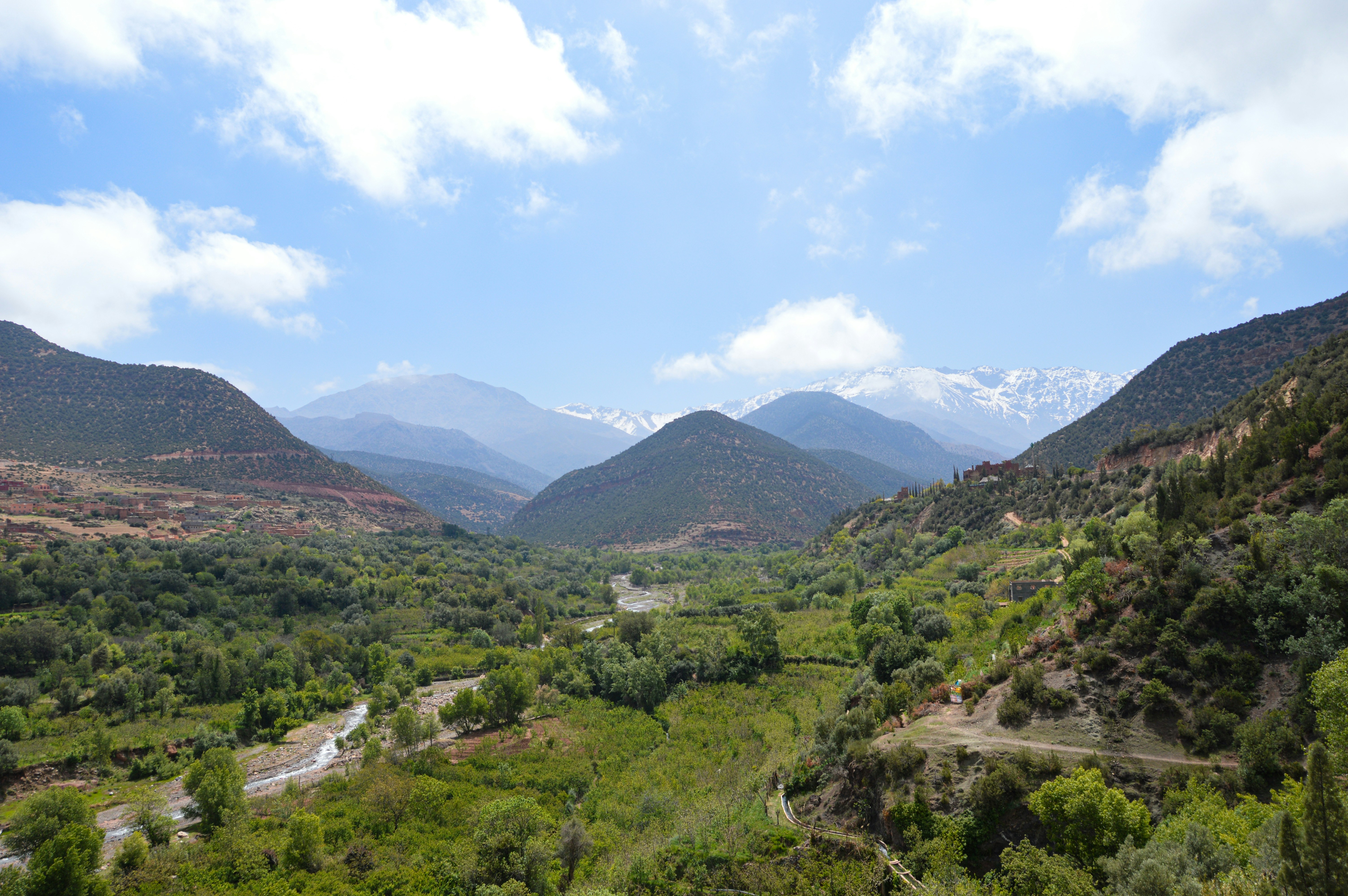
For most first-timers, the ideal months are April, May, October, and November. Spring (March–May) and fall (September–November) bring warm, comfortable days and cool evenings across the cities and are pleasant even for the desert. These shoulder seasons balance good weather, manageable crowds, and reasonable prices — the sweet spot for the classic Marrakech–desert–Fez loop.
The seasons in detail
Spring (March–May)
Morocco has four genuinely distinct seasons, and the country is big enough that the right answer differs by region. Spring (March–May) and autumn (September–November) are the best all-round windows; summer is punishing inland and pleasant on the coast; winter is mild by day in the south and genuinely cold in the mountains and in the desert at night.
Summer (June–August)
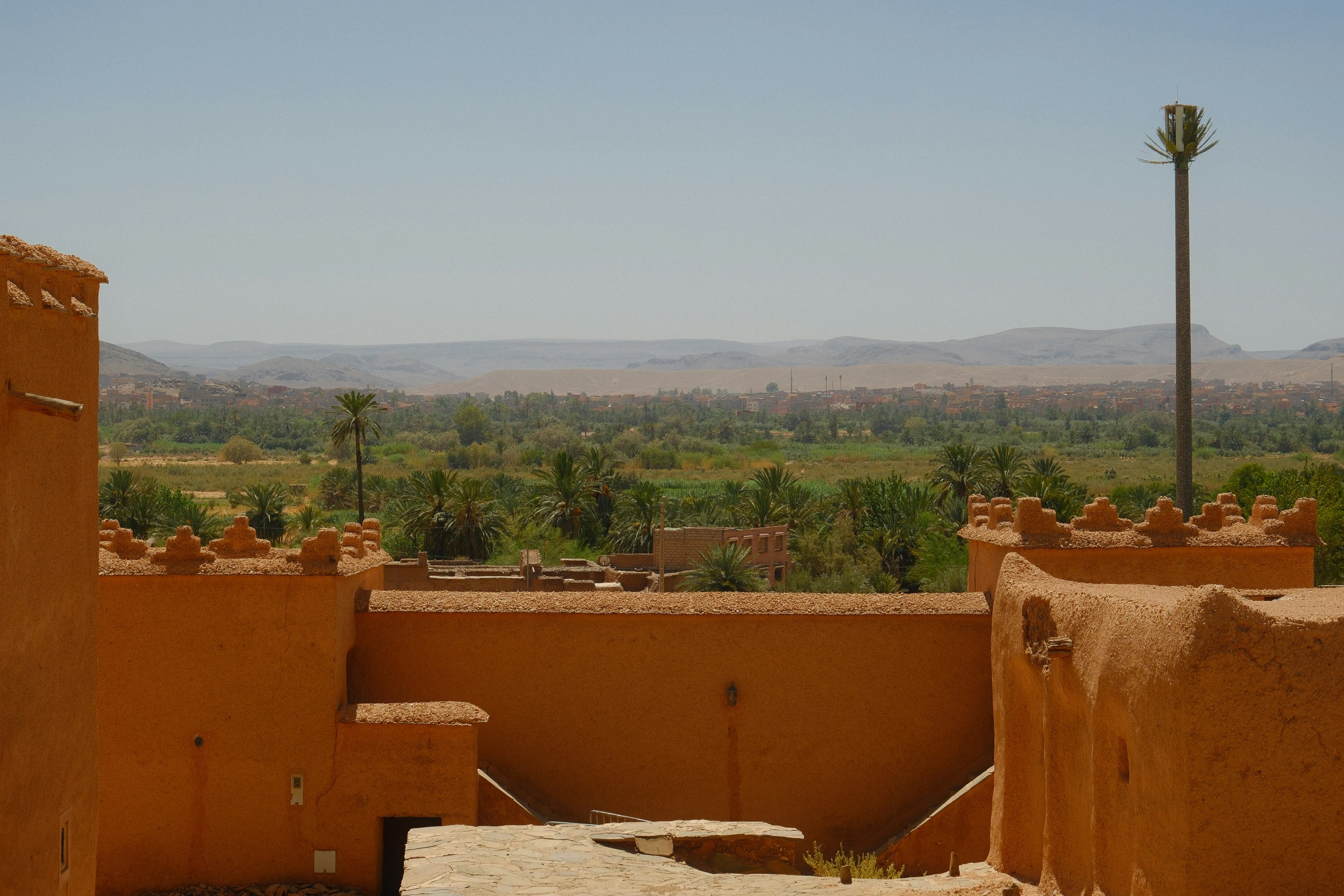
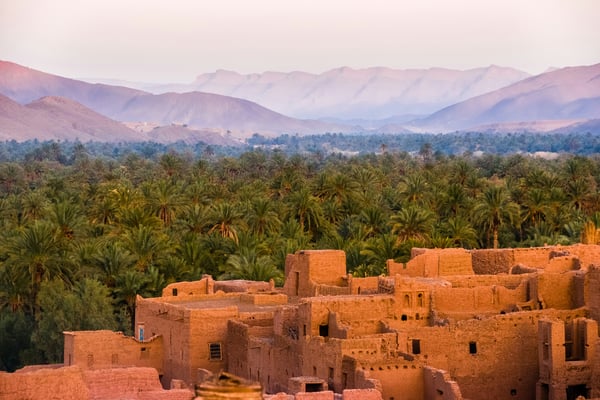
Very hot inland — Marrakech, Fez, and the Sahara can exceed 100°F (38°C), making midday sightseeing tough. The coast (Essaouira) stays mild and breezy, which is why it's a summer refuge. If you visit in summer, plan early mornings and late evenings, and lean on shady riad courtyards and pools. The desert is still doable — the dunes at sunrise, sunset, and night are magical — but daytime is brutal.
Fall (September–November)
Heat eases, crowds thin after the European summer holidays, and conditions are excellent everywhere. Another top pick.
Winter (December–February)
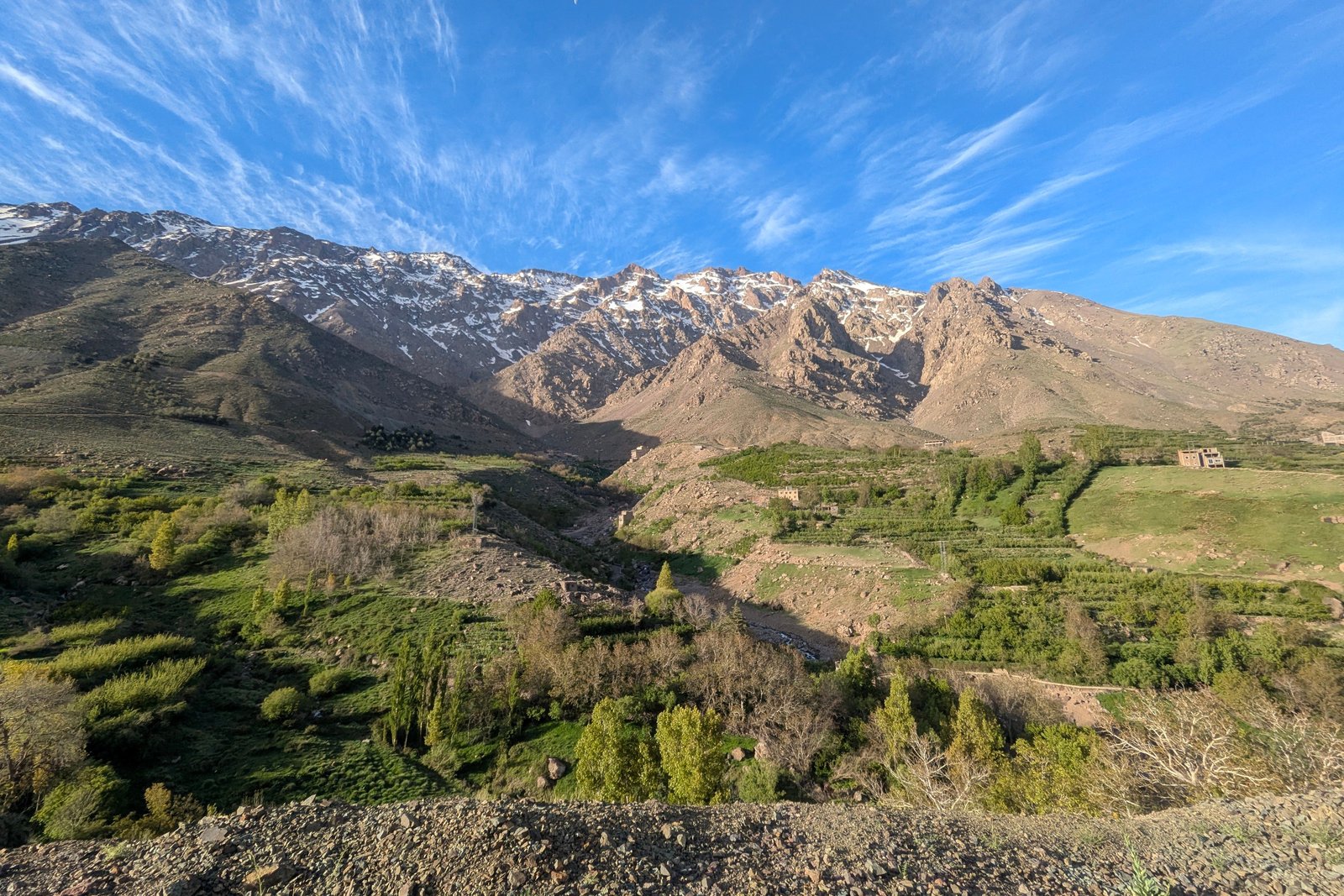
Mild, sunny days in the cities but cold nights; the Atlas Mountains get snow (you can even ski at Oukaïmeden), and desert nights are genuinely cold. A good time for city sightseeing without the heat, if you pack warm layers for evenings and the desert.
How the regions differ
One trip can span very different climates on the same day. In summer, escape inland heat on the coast; in winter, expect snow and cold in the Atlas while Marrakech stays mild. The Sahara swings hardest — scorching days and cold nights year-round, most comfortable in spring and fall. Packing layers is essential in every season because of these swings, especially if your itinerary combines cities, mountains, and desert as most do. Our packing guide helps.
Crowds, costs, and Ramadan
Spring and fall are busiest and priciest; summer sees fewer inland tourists (because of the heat) but packed coastal towns; winter is quietest and often cheapest for city trips. One important consideration is Ramadan, the month of daytime fasting, whose dates shift about eleven days earlier each year. Visiting during Ramadan is a fascinating cultural experience, but some restaurants and cafes keep reduced daytime hours, and the rhythm of life changes — worth understanding before you book. Check the current year's dates and read our Ramadan travel guide.
Month-by-month at a glance
To break it down further: January and February are cool and quiet — good for city sightseeing and Atlas snow, cold desert nights. March through May warms beautifully, with green landscapes and the rose harvest — prime time. June is still pleasant before the peak heat. July and August are scorching inland but ideal on the coast at Essaouira. September cools from the summer high and stays busy on the coast. October and November are superb across the board — warm, clear, and less crowded, the other prime window. December brings mild, sunny city days, cold nights, and the start of Atlas ski season. If you remember just one thing: aim for the April–May or October–November windows for the smoothest all-around first trip, and adjust only if beach or snow is your specific goal.
Festivals and events worth timing
Morocco's calendar has some wonderful events if your dates are flexible. The Fez Festival of World Sacred Music (usually late spring) draws performers from around the globe. The Marrakech International Film Festival lands in late fall. Rose harvest season in the Dades Valley (around May) fills the air with the scent of roses, and various local moussems (regional festivals) happen throughout the year. None of these need to drive your whole trip, but catching one can be a highlight — and conversely, major events can fill hotels, so it's worth a quick check of what's on during your window when you book.
So when should you go?
If you want the easiest all-around trip, target April–May or October–November. If you're beach-focused, summer on the coast works. If you want low crowds and city sightseeing and don't mind cold nights, winter is underrated. Match the season to your priorities and the regions you're visiting, and Morocco delivers in any of them. Plan the rest with our first-timer's guide.
Packing for the season
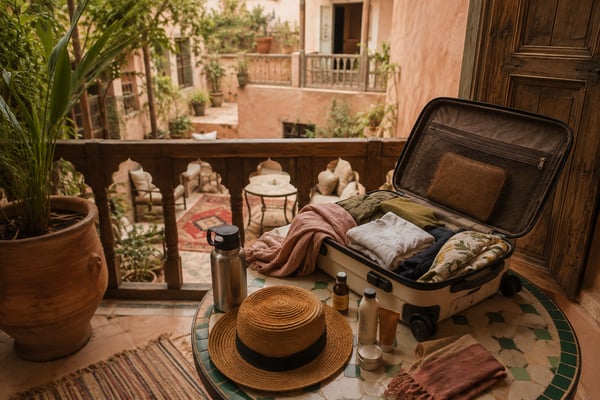
Whatever month you choose, Morocco's day-night and region-to-region swings mean layers are essential. In spring and fall, pack light clothes for warm days plus a jacket or sweater for cool evenings and the desert. In summer, prioritize lightweight, breathable, covering clothing (which shades you from the sun) and sun protection, but still bring a layer for air-conditioned interiors and desert nights. In winter, add warmer layers, a proper jacket, and even a hat for cold city evenings and the Atlas. A scarf is useful year-round — for sun, dust, modesty at religious sites, and warmth at night. And in any season, comfortable walking shoes are non-negotiable given how much of a Morocco trip is spent on foot in the medinas. Our packing guide has the full checklist.
Best time to visit Morocco FAQ
What is the best month to visit Morocco?
April, May, October, and November are ideal — warm days, cool nights, and manageable crowds across the cities and desert.
Is Morocco too hot in summer?
Inland (Marrakech, Fez, the Sahara) can exceed 100°F, making midday tough. The coast stays mild, so summer suits a beach-focused trip better than a city-and-desert loop.
Can you visit the Sahara in winter?
Yes, but nights are very cold. Pack warm layers for the desert camp. Days are pleasant and the dunes are just as beautiful.
Should I avoid visiting during Ramadan?
Not necessarily — it's a rich cultural experience — but expect reduced daytime hours at some eateries and a different pace. Check the current year's dates, which move earlier each year.