Ramadan changes the rhythm of a Moroccan trip more than the sights. What's open, what shifts, the magic of the evening iftar, and how to travel respectfully.
Travelling in Morocco during Ramadan changes the rhythm of a trip far more than it changes the sights, and knowing what to expect turns a potentially confusing visit into a memorable one. The holy month reshapes daily hours, quietens the daytime, and transforms the evenings into something special. It is neither a reason to avoid Morocco nor a normal month to travel unaware — it simply rewards a little preparation and respect.
What Ramadan actually is
Ramadan is the Islamic holy month during which observant Muslims fast from dawn to sunset, refraining from food, drink and smoking through the daylight hours, then breaking the fast after sundown with the meal called iftar. Because Morocco follows the lunar calendar, Ramadan moves roughly eleven days earlier each year, so its dates shift and are worth confirming for any specific travel window. The fast structures the entire day around it.
What changes for a visitor
During the day, many cafes and restaurants close or run reduced hours, shops and offices keep shorter and shifted schedules, and the general pace slows markedly, especially in the afternoon as energy flags. The hour just before sunset empties the streets almost completely as everyone heads home for iftar. Tourist sites generally stay open, though sometimes with adjusted hours, so the sightseeing itself is rarely blocked — the logistics around it simply need more planning.
Eating and drinking during the day
As a non-Muslim visitor you are not expected to fast, and tourist-oriented restaurants, hotels and riads continue to serve meals, though sometimes discreetly. The respectful approach is to avoid eating, drinking or smoking conspicuously in the street during fasting hours, out of consideration for those around you who are fasting. A little discretion goes a long way and is warmly appreciated.
The magic of the evenings
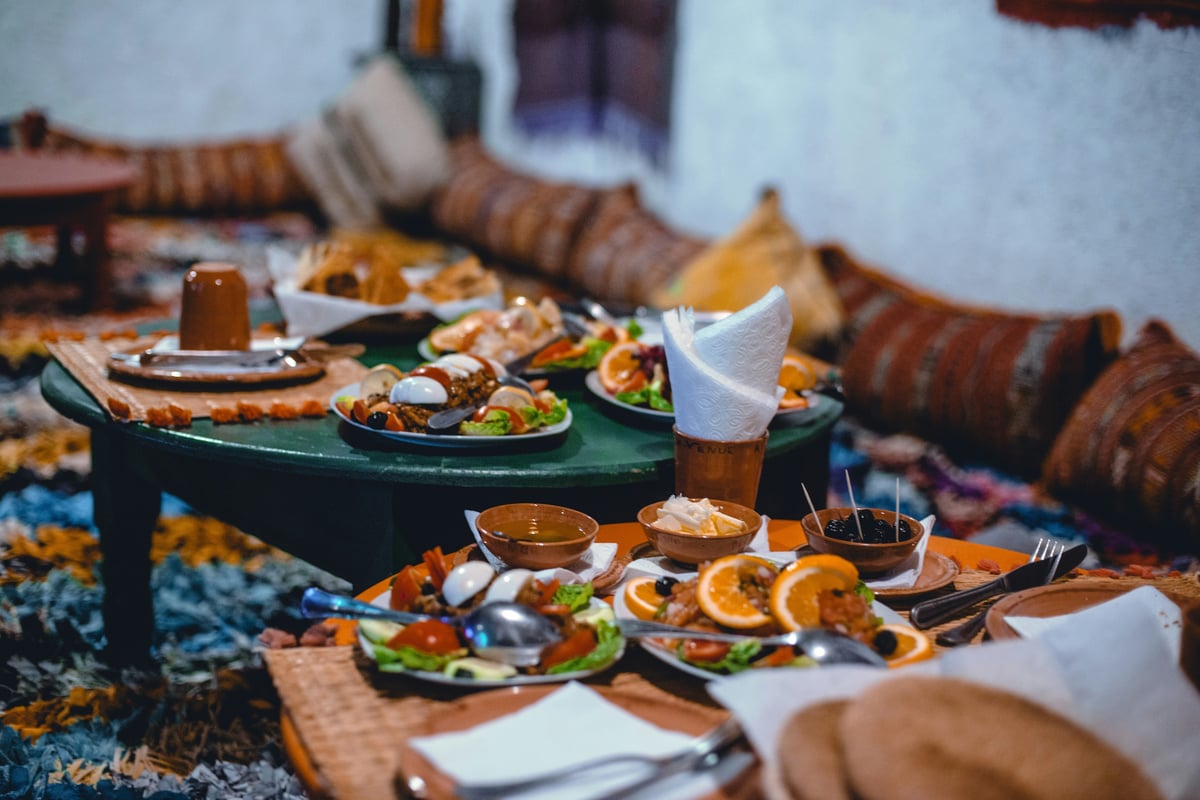
The reward of a Ramadan visit is the evening: at sunset the fast breaks, the streets come alive, families and friends gather, and a festive, generous atmosphere fills the cities late into the night. Sharing an iftar meal, whether at a restaurant or by invitation, is one of the warmest experiences Morocco offers. The month that quietens the days electrifies the nights, and travellers who lean into that rhythm often find it the highlight of their trip.
Should you plan a trip during Ramadan at all
Whether to travel during Ramadan comes down to what you want from the trip: the days are quieter and the logistics fiddlier, but the evenings are extraordinary and the country is at its most communal and welcoming. Travellers after nonstop daytime sightseeing may prefer another month; those drawn to atmosphere and cultural immersion often find it the best time of all. It is a trade of daytime convenience for evening magic.
Practical items to pack for it
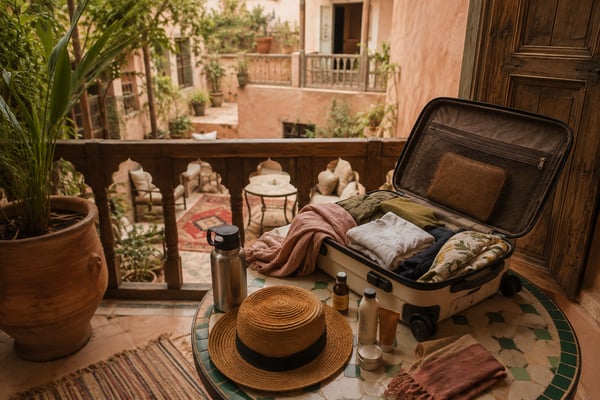
A few small things make a Ramadan trip smoother: snacks and a refillable water bottle for the quiet daytime hours, a little patience for reduced service, and a willingness to shift your own schedule later into the evening. Booking evening meals ahead and treating the afternoons as rest rather than peak sightseeing time aligns you with the country's rhythm instead of fighting it.
The Eid that ends it
Ramadan closes with Eid al-Fitr, a major celebration during which many shops, restaurants and services shut for a day or more as families gather, much like a national holiday at home. Sightseeing can be patchy and transport busy around it, so it is worth knowing the date and planning lighter days around the festival rather than packing them with logistics. Confirm the timing for your window when you plan.
How to plan around it
Practical planning smooths everything: eat a proper breakfast at your riad, carry water and snacks for the quiet daytime hours, plan sightseeing for mornings when energy and hours are best, and book anywhere you want to eat in the evening, since iftar fills restaurants. Shift your own rhythm later to match the country's, and the apparent inconveniences turn into the shape of a genuinely special trip.
Ramadan is the clearest example of Morocco's calendar mattering more than its weather — the same reason timing shapes a first trip in general. How the calendar reshapes a whole itinerary is taken up in the complete Morocco trip guide. Our best-time-to-visit guide covers the seasons in full, and the first-timer's overview ties the trip together.
Morocco during Ramadan: FAQ
Can I still travel to Morocco during Ramadan?
Yes. Sights generally stay open and tourist restaurants serve meals. The daytime is quieter and the evenings come alive.
Will restaurants be open in the daytime?
Many close or reduce hours, but tourist-oriented places, hotels and riads continue serving, sometimes discreetly.
Do I have to fast?
No. As a non-Muslim visitor you are not expected to. Just avoid eating, drinking or smoking conspicuously in the street during fasting hours.
What's the best part of a Ramadan visit?
The evenings. After sunset the streets come alive with iftar, and sharing the meal is one of the warmest experiences Morocco offers.
When is Ramadan?
It follows the lunar calendar and moves about eleven days earlier each year, so confirm the dates for your specific travel window.