ATMs in Morocco: Fees, Limits, and Which Banks to Use
Every dirham you spend comes out of an ATM, so the machine's fee, its withdrawal cap, and the screen that offers to 'convert' for you decide what cash actually costs.
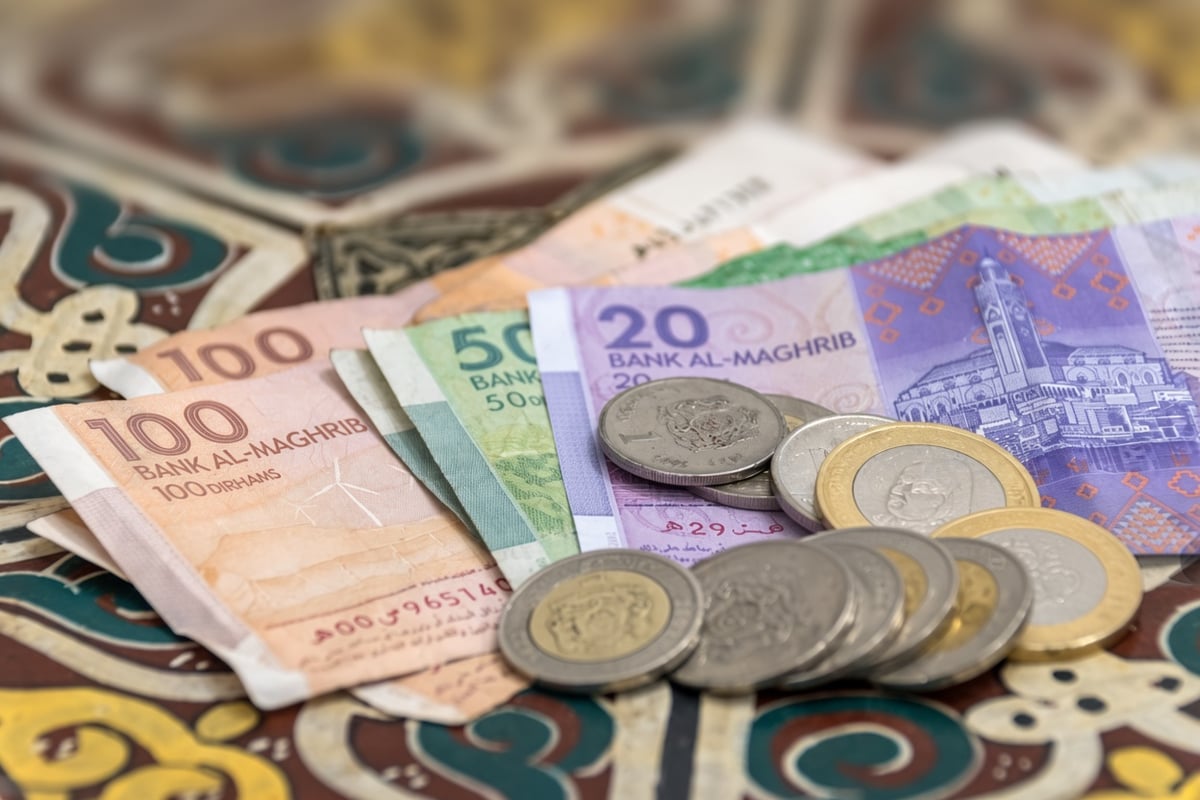
Because you can only get dirham once you arrive, the ATM is not an occasional errand in Morocco — it is the single source of nearly all the money you will spend. That makes three things worth understanding before your first withdrawal: what each machine charges, how much it will let you take at once, and the screen near the end that quietly offers you a worse exchange rate. Get these right and cash costs you almost nothing extra.
The two fees on every withdrawal
A Moroccan ATM withdrawal can carry two separate charges: one from the local bank operating the machine, levied per withdrawal regardless of amount, and one from your own US bank, either a flat foreign-ATM fee or a percentage on the conversion. The local charge is the reason to withdraw larger amounts less often, since it is the same whether you take out a little or a lot.
Check your own card first
Your American bank's terms decide half of this before you leave home. Some checking accounts refund foreign ATM fees entirely; many travel-oriented cards charge no foreign transaction fee at all. Knowing which category your card falls into is worth ten minutes on your bank's website, because it changes the right withdrawal size and can save more than any tactic at the machine.
Which banks' machines to prefer
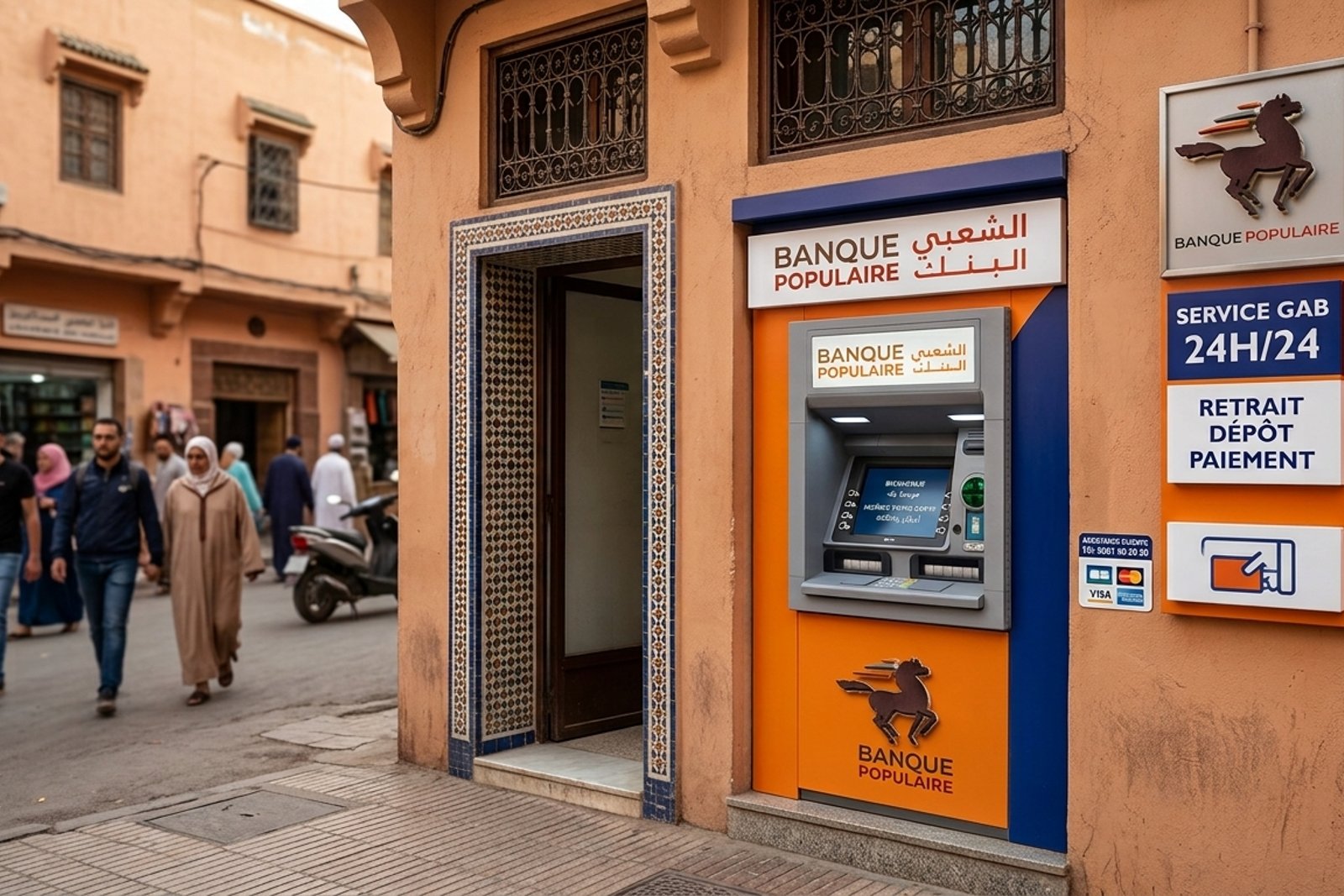
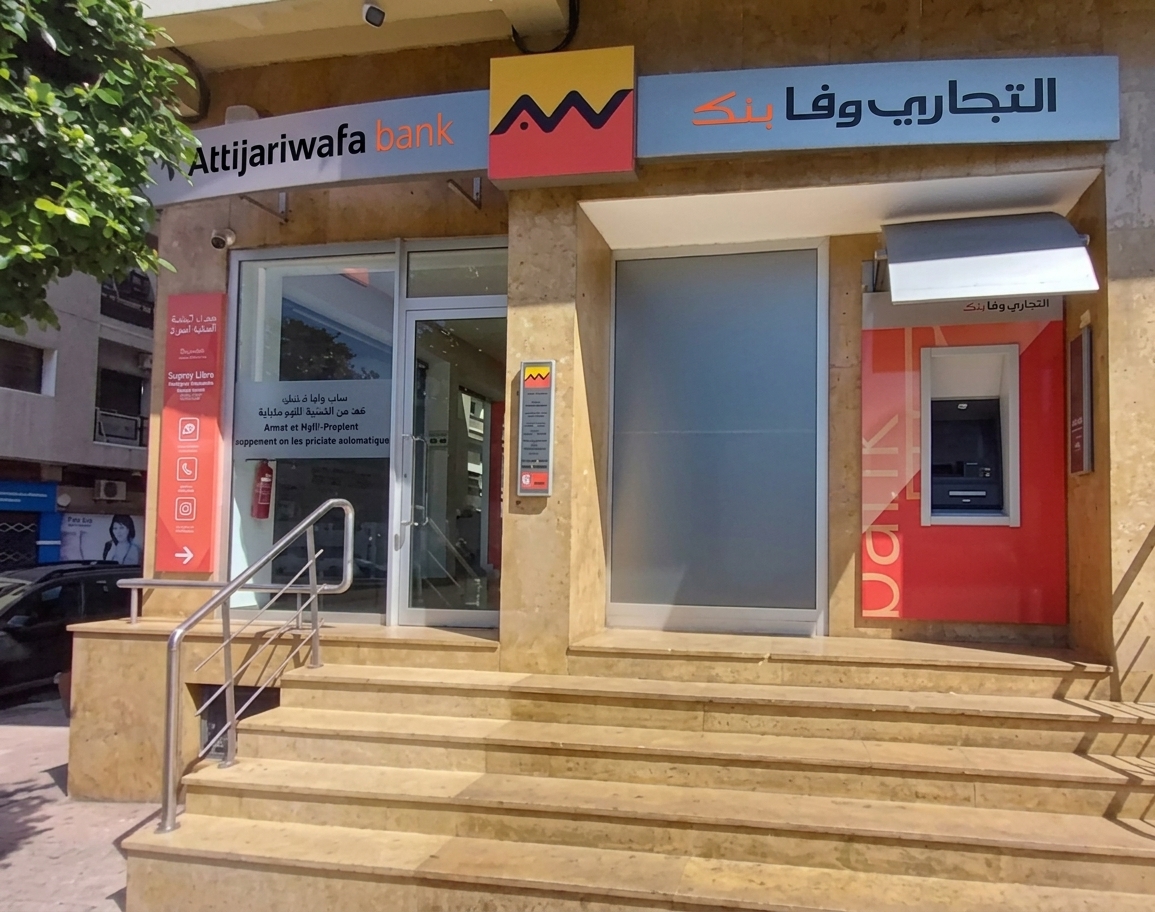
The major Moroccan banks — Attijariwafa, Bank of Africa, Banque Populaire and CIH — operate reliable ATMs across cities, towns and both main airports, and they are the ones to use. Their machines are well maintained, dispense reliably, and sit inside or beside branches where help exists if a card is retained. The ones to be wary of are the standalone, brightly branded machines aimed squarely at tourists, which tend to charge more and push conversion hardest.
Use machines attached to branches
Withdrawing from a machine physically attached to a bank branch, during opening hours, is the safest habit. If the machine keeps your card — rare, but it happens — you can walk inside immediately rather than losing it to a wall on a Sunday. It also puts you somewhere lit and staffed, which is the ordinary sensible choice for handling cash anywhere.
Withdrawal limits and empty machines
Moroccan ATMs cap each withdrawal, and the cap is often lower than an American traveller expects, so a single transaction may not cover a full desert leg. You can sometimes withdraw twice, but each withdrawal triggers the local fee again. Machines also run dry, especially on weekends and in smaller towns, so treat a working, well-stocked ATM in a decent-sized town as an opportunity rather than assuming the next one will serve you.
The screen that costs you: "convert to dollars?"
Near the end of the withdrawal, many machines ask whether you want to be charged in dirham or in your home currency, presenting the second option as a helpful convenience. Always choose dirham. Choosing dollars hands the exchange rate to the ATM's operator, a practice called dynamic currency conversion, and the rate they apply is consistently worse than the one your own card network would have used. The convenience is the trap.
Why it looks like a favour
The offer is framed to reassure — "we'll show you the amount in your own money" — which sounds like transparency and is actually a markup of a few per cent, applied every single time you accept it. Over a two-week trip of regular withdrawals, always accepting it is a meaningful sum handed over for nothing. The rule is simple and never varies: pay in dirham, let your bank convert.
Blocked cards and how to avoid them
A US card that stops working at a Moroccan machine is a common and preventable problem, usually triggered by your own bank's automated fraud systems flagging a first foreign withdrawal. Set a travel notice before you leave, and carry a second card from a different bank, kept in a separate place. The reserve card is worth more than any fee saved, because it is the difference between an inconvenience and an emergency.
If a machine eats your card
Should a machine retain your card, using one attached to a bank branch during opening hours means you walk straight inside to recover it. Outside hours, note the bank and location, call your card issuer to freeze the card, and rely on the backup. This is the specific scenario the branch-attached rule and the second card exist to defuse.
A sensible withdrawal rhythm
Put the pieces together and a pattern falls out: use a major-bank ATM attached to a branch, withdraw a larger amount every few days rather than small daily sums, always decline the dollar conversion, and top up fully before any desert or rural leg. Carry a second card from a different bank in a separate pocket in case one is blocked or eaten. That is the whole discipline, and it makes the machine a non-event.
The ATM's fees, its cap, and that conversion screen are small in isolation and compound across a trip — and they connect to what you carry, where you can spend it, and how far you can get from a bank. Those links are worked through in the complete Morocco trip guide.
Attijariwafa, Bank of Africa, Banque Populaire and CIH — major banks with well-maintained machines in cities, towns and airports. Avoid standalone tourist-branded ATMs.
Should I choose dirham or dollars at the machine?
Always dirham. Choosing dollars lets the ATM set the exchange rate (dynamic currency conversion), which is consistently worse than your own bank's.
Why withdraw large amounts?
The local bank's fee is charged per withdrawal regardless of size, so fewer, larger withdrawals cost less in total.
Do Moroccan ATMs run out of cash?
Yes, especially on weekends and in small towns. Withdraw when you find a stocked machine rather than counting on the next one.
What if the machine keeps my card?
Use ATMs attached to bank branches during opening hours so you can go straight inside. Carry a second card from a different bank as backup.