The best time to visit Marrakech is spring or autumn, when the days are warm rather than scorching and the evenings pleasant — but the fuller answer depends on what you can tolerate and what you want to pay. Summer is genuinely brutal, winter is cool with sunny days and cold nights, and the shoulder seasons balance weather, crowds and price. Here is Marrakech month by month, so you can pick the window that fits your trip.
The short answer: spring and autumn
March to May and September to November are the prime windows, offering warm, comfortable days ideal for sightseeing, the souks and day trips, without the punishing heat of high summer. These shoulder seasons are popular for good reason and can be busy around holidays, but they are the sweet spot most first-timers should aim for. If your dates are flexible, target these months and the trip is far more comfortable end to end.
Summer: hot and cheaper
June through August brings intense heat to Marrakech, regularly soaring well into the high thirties Celsius and beyond, which makes midday sightseeing genuinely taxing and the desert fierce. The upside is thinner crowds at some sites and often lower prices, and if you come in summer you simply adapt: sightsee early and late, rest through the midday heat, and favour pools and shade. It is doable for the heat-tolerant and the budget-conscious, but it is not the easy season.
Winter: cool days, cold nights
December to February gives Marrakech mild, often sunny days pleasant for walking, paired with genuinely cold nights and mornings that surprise visitors expecting Africa to mean warmth. The nearby Atlas Mountains see snow, and desert nights are bitterly cold. Pack warm layers for the evenings, and you get a quieter, atmospheric city at lower prices. Winter suits travellers who prefer cool sightseeing weather and do not mind bundling up after dark.
The desert and mountains shift the calendar
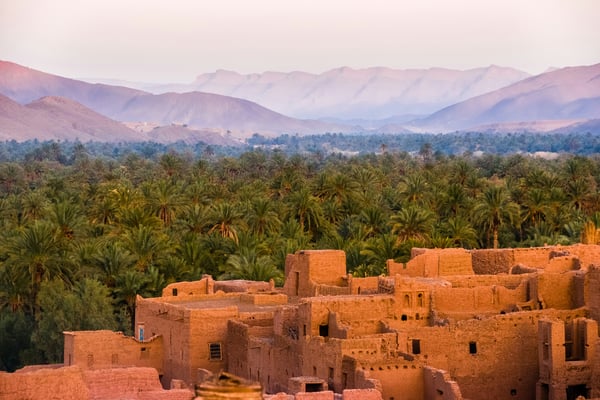
If your trip pairs Marrakech with the Sahara or the Atlas, the seasons matter even more: the desert is most comfortable in spring and autumn, dangerously hot in summer, and freezing at night in winter, while the high mountains can be snowbound in winter. Planning the city around the excursion you most want — rather than the reverse — often gives the better overall result. The shoulder seasons serve both the city and the surroundings best.
Ramadan and holidays
Check whether your visit falls during Ramadan, since the holy month shifts the rhythm of the city — some restaurants adjust hours and the daytime pace slows — and it moves earlier each year on the Western calendar. Travelling during Ramadan is entirely possible and can be atmospheric, but it is worth knowing in advance so you can plan meals and expectations. Major local and international holidays also push up prices and crowds in the shoulder seasons.
Shoulder-season crowds and prices
The one caveat to spring and autumn is that everyone else has the same idea, so the prime weeks — especially around Easter and the pleasant stretches of October — see higher riad prices and busier sights than the quieter edges of the seasons. Booking accommodation well ahead for these windows pays off. If you want the good weather with fewer people, aim for the shoulders of the shoulder seasons: early March, late May, or November, when conditions are still good and the crowds thinner.
Picking your window
To choose: prioritise April-May or October for the best all-round balance; take summer only if you will structure days around the heat or want lower prices; and consider winter for mild, quiet, cheaper sightseeing if you can handle cold nights. Match the season to whether the desert or mountains are on your list, and check the Ramadan dates. Get the timing right and Marrakech is a joy; get it wrong and the heat or the cold shapes the whole trip.
When you come shapes what the whole trip can comfortably include — the desert, the mountains, the pace of the days — so timing is one of the first real decisions. How the season fits the rest of the plan is worked out in the complete Morocco trip guide.