Do Americans Need a Visa for Morocco? Entry Rules Explained
Short answer: no visa needed for tourism up to 90 days. Here's exactly what U.S. citizens need at the border, plus the entry details worth checking before you fly.
If you're a U.S. citizen planning a trip to Morocco, the entry situation is refreshingly simple: you do not need a visa for tourism. Americans can enter Morocco visa-free and stay for up to 90 days. There's no application to fill out in advance, no fee to pay, and no online authorization to arrange. You show up, hand over your passport, get a stamp, and you're in. Still, a few details are worth getting right before you fly, because the border is not the place to discover a problem.
What U.S. citizens need to enter Morocco
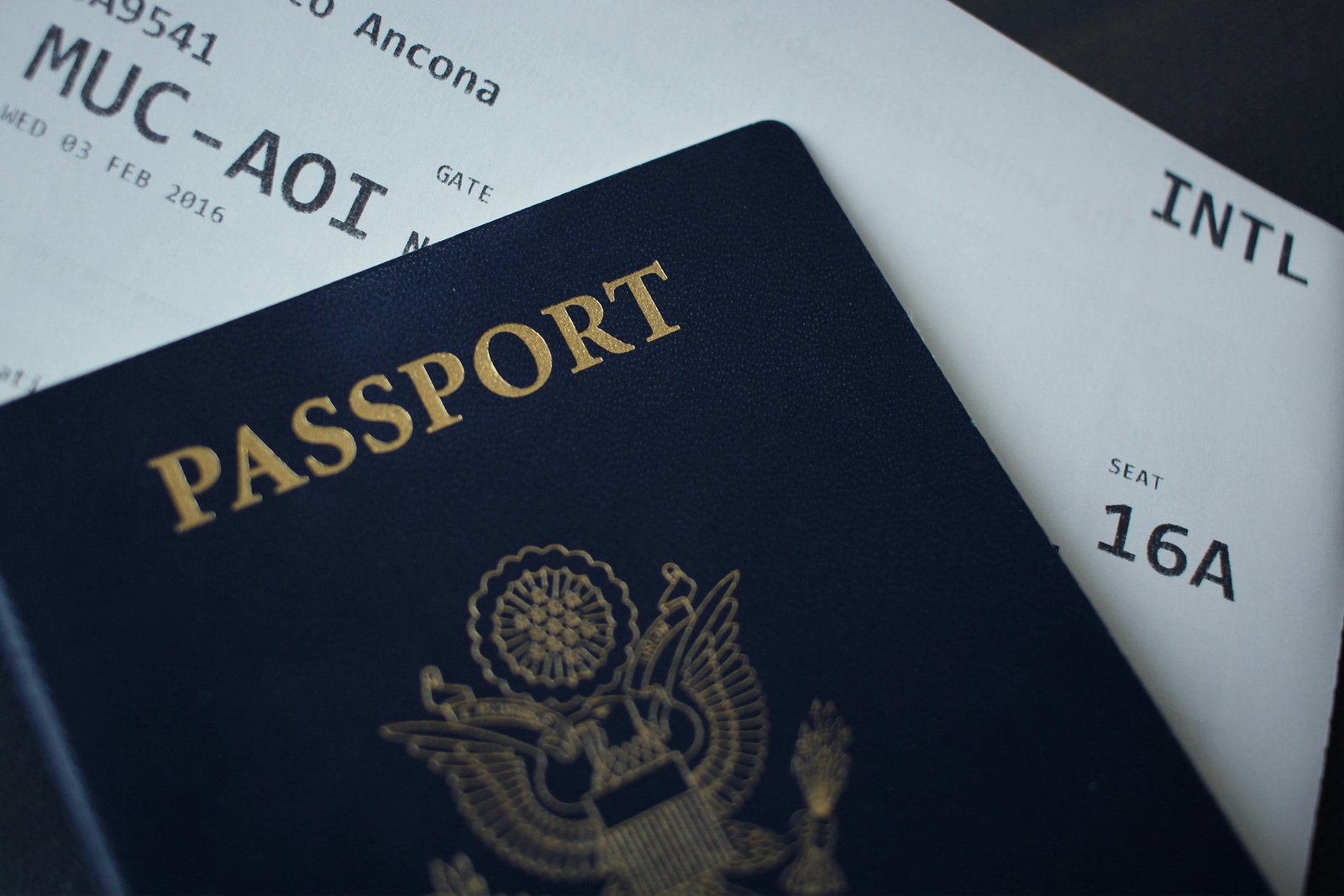
US citizens need remarkably little to enter Morocco as tourists: a passport valid at least six months beyond your date of entry with a blank page for the stamp, and proof of onward or return travel that an airline may ask for at check-in. There is no visa to apply for and no fee to pay in advance. What that means in practice:
A valid passport
Your passport should be valid for at least six months beyond your date of entry. This is the standard recommendation, and while enforcement varies, you don't want to gamble on it — airlines sometimes deny boarding over passport validity before you even reach Morocco. Make sure there's at least one blank page for the entry stamp.
Proof of onward or return travel
Immigration or your airline at check-in may ask to see a return or onward ticket showing you plan to leave within the 90-day window. In practice this is usually your return flight. It's rarely a hard checkpoint, but have it ready.
Nothing else, in most cases
There's no requirement to show hotel bookings or cash for a normal tourist stay, though proof of sufficient funds and an address can occasionally be requested. Filling in the arrival card fully and having your first night's accommodation written down keeps things smooth.
How long can you stay?
The visa-free tourist stay is up to 90 days. If you overstay, you can face fines and delays when you try to leave, so keep an eye on the date stamped in your passport. If you want to stay longer, you'd need to look into an extension through the local authorities or a proper visa — but for the overwhelming majority of trips, 90 days is far more than enough.
Do you need an eVisa or travel authorization?
As things stand, no. Unlike some countries that have rolled out an electronic travel authorization (the kind of pre-registration you may have done for other destinations), Morocco does not require U.S. tourists to register online before arrival. This is exactly the kind of rule that can change, though, so it's the one thing we'd flag to verify close to your travel date. Watch out for third-party websites that charge a fee for a "Morocco visa" or "travel authorization" for Americans — since none is required, these are best avoided. Rely on official Moroccan government or U.S. State Department information rather than a site that found you through an ad.
Entry by land or sea
Visa-free entry works the same overland as by air — crossing from the Spanish enclaves of Ceuta or Melilla, or arriving by ferry across the Strait of Gibraltar, gets you the identical stamp at passport control. On a multi-country trip, remember that each exit and re-entry is a fresh interaction with immigration, so keep your documents accessible.
One practical note that trips up some travelers: the 90-day clock is generous, but tracking it is your responsibility, not the border's — there's no automatic reminder. If your itinerary loops through Morocco more than once, which is common on a broader North Africa or southern Europe trip, keep a rough count of your in-country days so a later re-entry doesn't accidentally push you toward the limit. For a normal one-and-done vacation this is a non-issue, but it's worth a moment's thought on a longer journey.
Check your stamp at the border
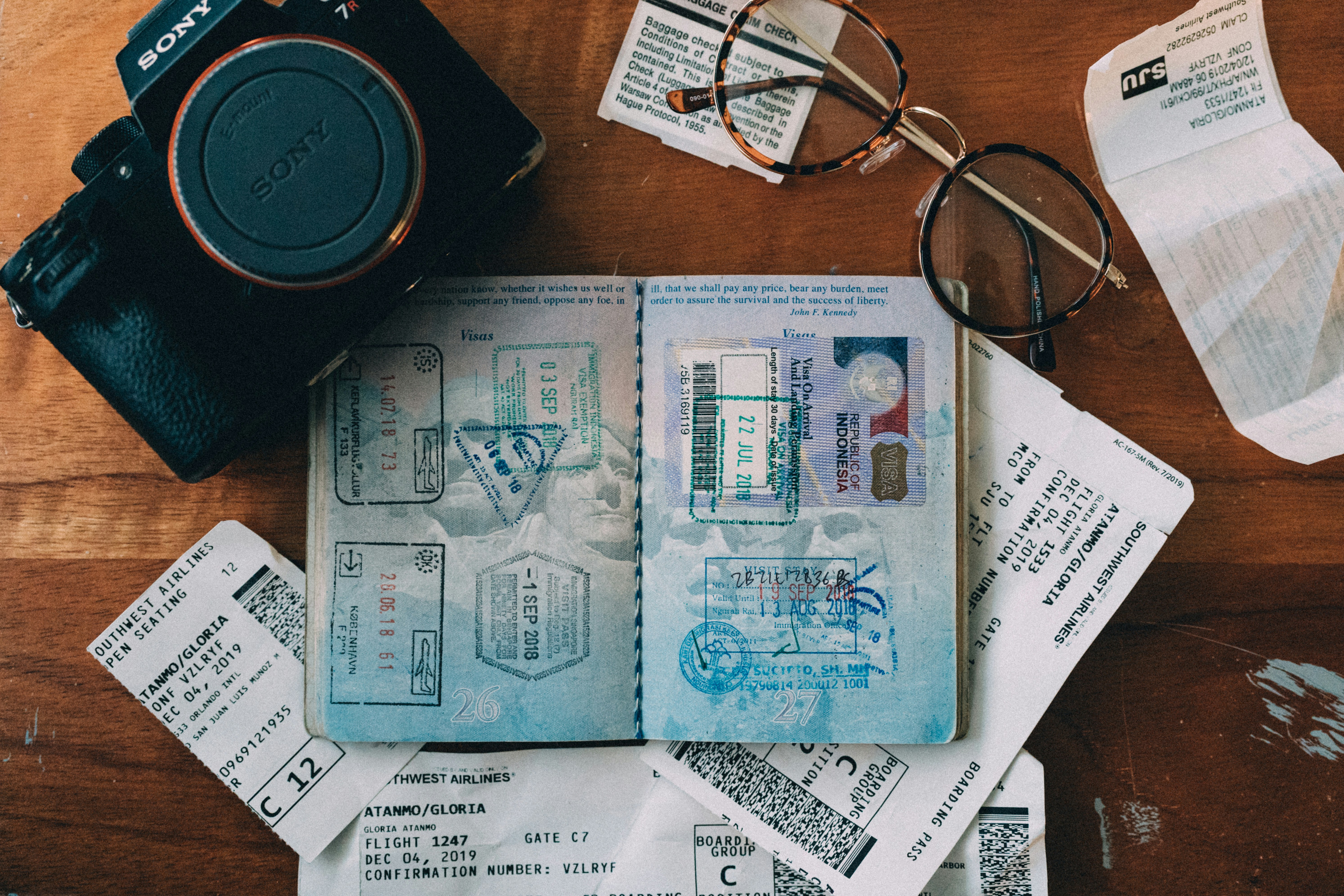
Checking your entry stamp takes ten seconds at immigration and heads off a rare but real problem. On busy arrival days a rushed officer occasionally forgets to stamp, or stamps illegibly, and a missing entry stamp becomes a question you have to answer on the way out: when and where did you enter Morocco? At smaller land crossings it is worth an extra glance.
A note on customs
Entry rules aren't just about your passport. Morocco has strict customs rules worth knowing: drones are effectively banned without a hard-to-get license and will be confiscated at the airport, and the local currency can't be brought in or taken out freely (the dirham is a closed currency). We cover the money side in detail in our dirham guide. For most travelers, customs is a non-event, but leave the drone at home.
Bottom line for first-timers
Morocco is one of the easier countries for Americans to enter: no visa, no fee, no paperwork, 90 days. Bring a passport valid six months out with a blank page, have your return ticket handy, skip any site trying to sell you a visa you don't need, and give the entry requirements a quick re-check in the weeks before you fly. With that done, the only thing left is the fun part — planning where to go, which our first-timer's guide lays out.
Morocco visa FAQ for Americans
Do U.S. citizens need a visa to visit Morocco?
No. Americans can enter visa-free for tourism and stay up to 90 days, with no advance application or fee.
How long can Americans stay in Morocco without a visa?
Up to 90 days. Overstaying can lead to fines and exit delays, so track the date stamped in your passport.
Does Morocco require an eVisa or online travel authorization for Americans?
Not currently. No pre-arrival online registration is required for U.S. tourists — but entry rules can change, so verify close to your travel date and ignore third-party sites selling a "visa" you don't need.
What passport validity do I need for Morocco?
At least six months beyond your entry date is the standard recommendation, plus a blank page for the entry stamp.