Morocco means hot cities, cold desert nights, modest dress and a lot of walking on uneven ground. A practical packing guide built around what the country actually demands.
Packing for Morocco trips people up because a single trip spans genuinely different conditions: hot city days, cold desert nights, modest-dress expectations, and miles of walking on uneven medina ground. Pack for only the heat and the desert night ambushes you; pack heavy and the medina stairs punish you. The goal is a light bag that covers a wide range, and that comes down to a handful of deliberate choices.
Dress modestly, and layer for it
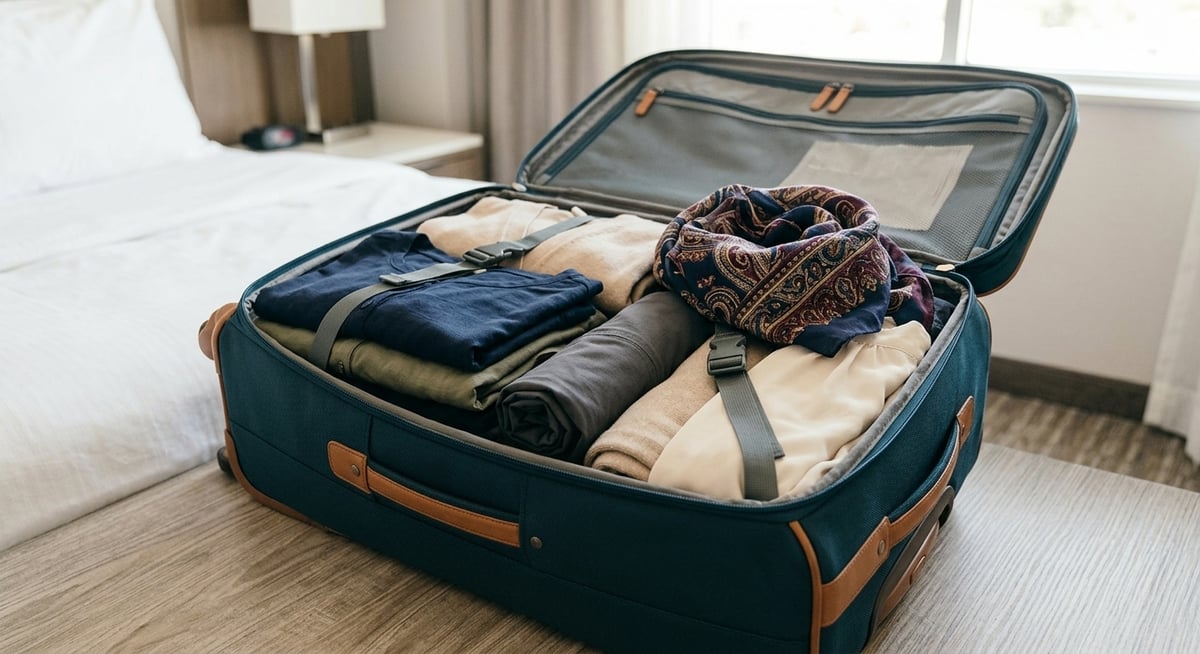
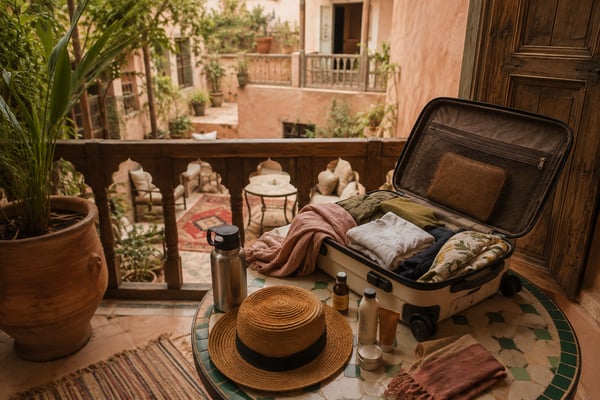
Morocco is a Muslim country where covered shoulders and knees are the respectful norm, so the core wardrobe is loose, lightweight clothing that covers without overheating. Breathable trousers, long skirts and tops with sleeves handle both the modesty expectation and the sun. A light scarf is the single most useful item, working for sun, mosque surroundings, cool evenings and dusty desert roads all at once.
Why loose beats light
In the heat, loose covered clothing is genuinely more comfortable than shorts and a tank top, because it keeps the sun off your skin while letting air move. It also removes the constant low-level attention that more revealing clothing draws. This is the rare case where the respectful choice and the comfortable choice are the same choice.
Warm layers for the desert and mountains
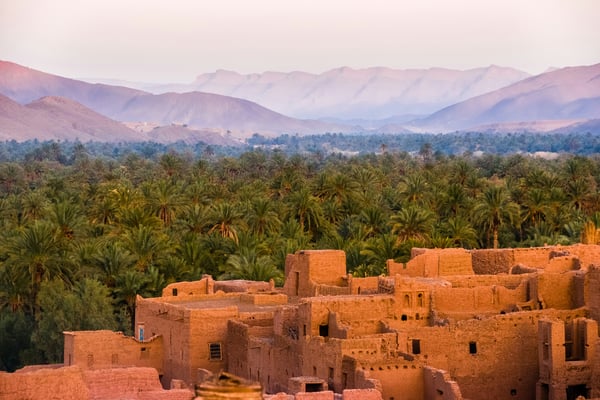
The Sahara and the High Atlas get genuinely cold after dark, even when the cities are hot, and this catches out travellers who packed only for a warm holiday. A warm fleece or jacket, plus something long-sleeved to sleep in at a desert camp, is essential rather than optional. Nights under the dunes drop far more than the daytime heat suggests.
Shoes for uneven ground
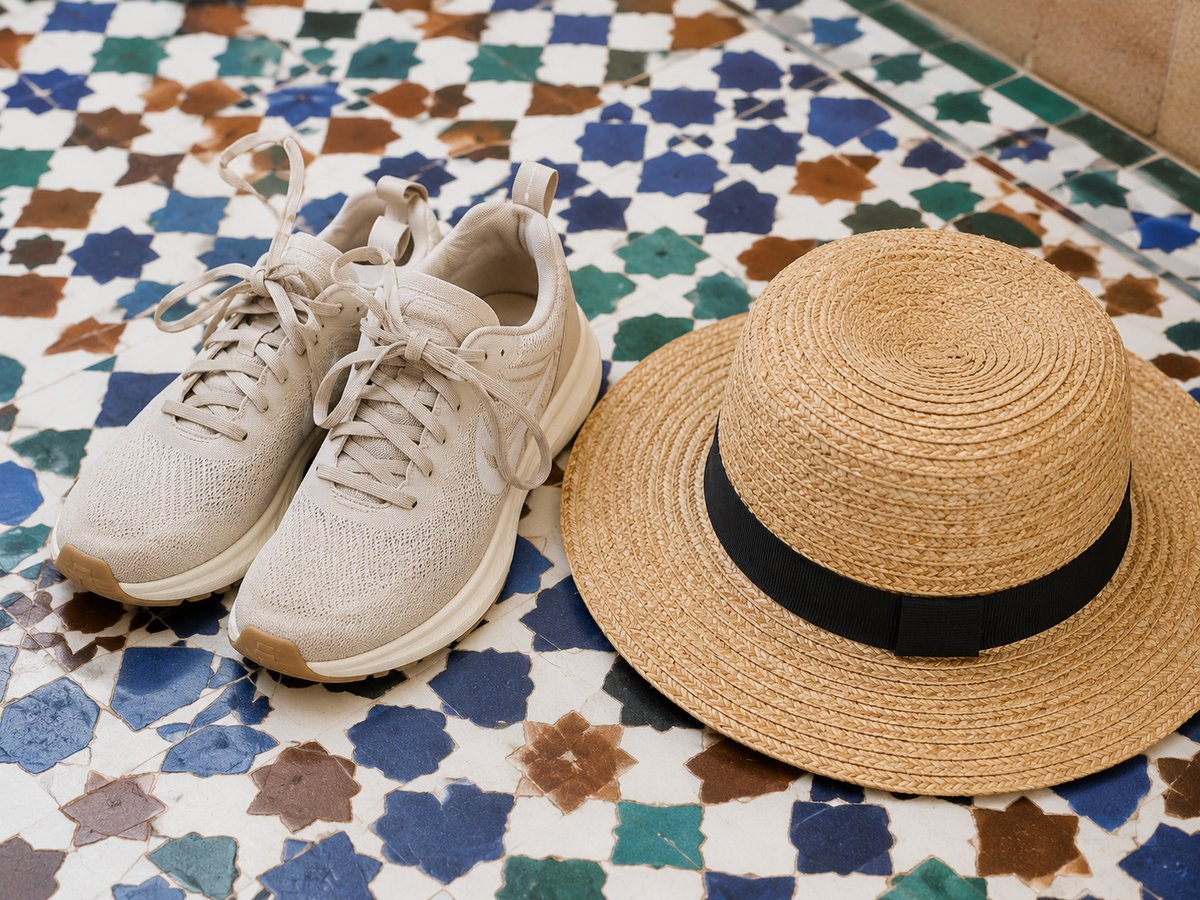
You will walk a great deal on uneven, sometimes slippery medina stones and packed earth, so closed, comfortable, broken-in walking shoes matter more than any style consideration. Sandals are fine for downtime but poor for a full day in the souks. If a desert trip involves any walking on dunes, know that footwear fills with sand instantly — many people simply go barefoot for that part.
Sun, water and small practicalities
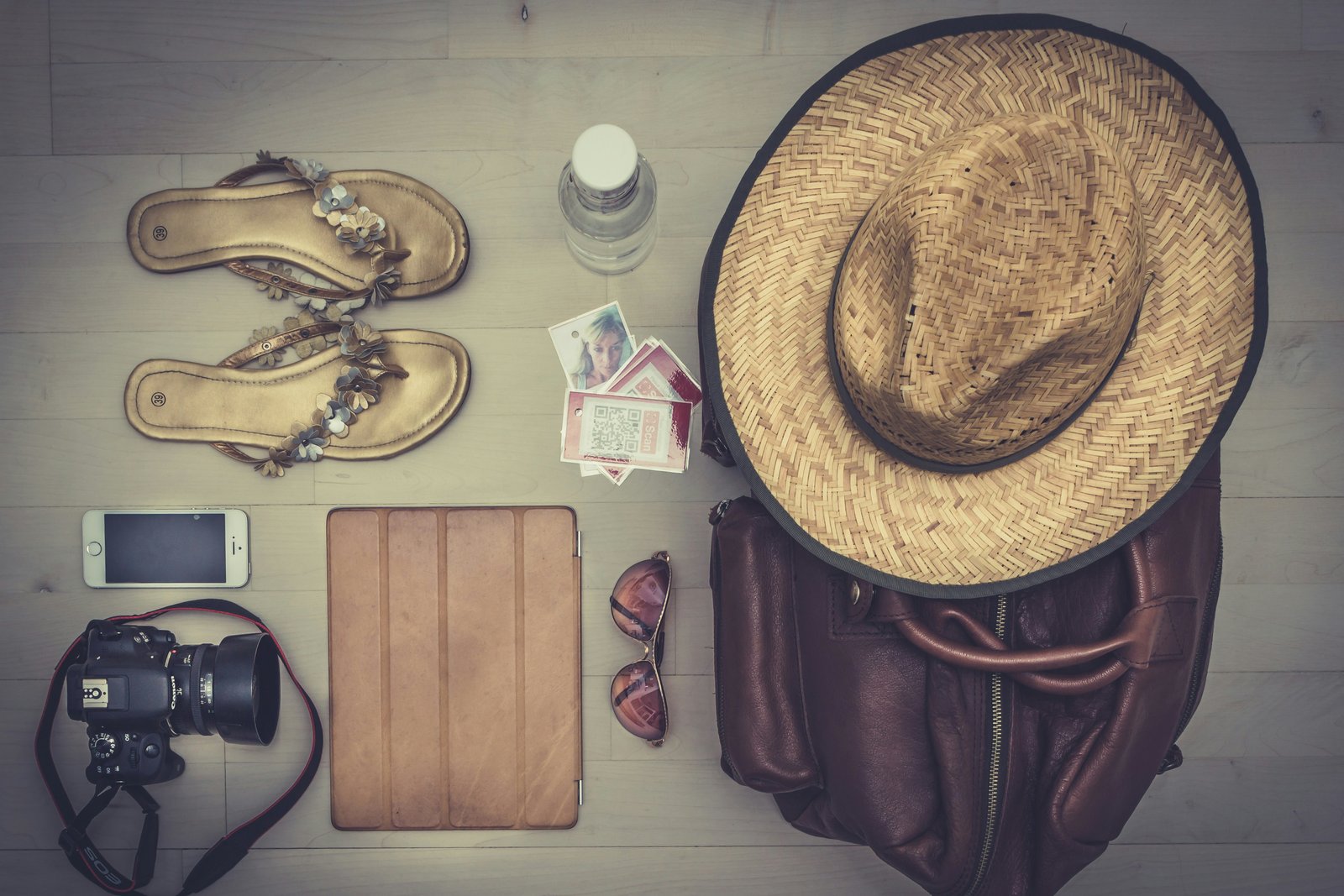
Strong sun means a hat, sunglasses and high-factor sunscreen earn their space year-round. A refillable water bottle is useful, though stick to bottled or filtered water to drink. Pack any medications you rely on, since specific brands can be hard to find, and bring a small supply of hand sanitiser and tissues — public facilities do not always provide either.
Power and connectivity
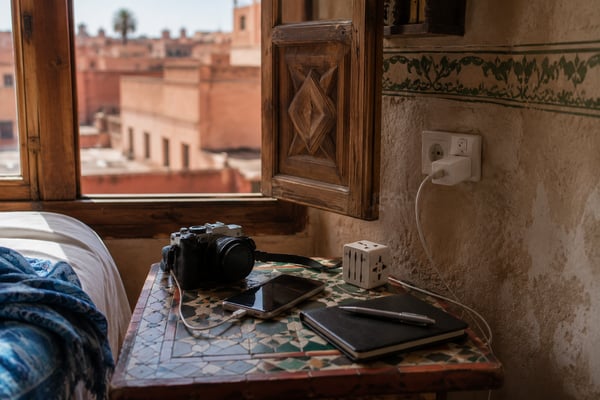
Morocco uses European-style two-pin plugs, so bring the right adapter, and a power bank is worth carrying for long days out and desert nights with no sockets. Download offline maps before rural legs where signal disappears. These are small items that prevent specific, predictable annoyances rather than general ones.
A small daypack for the cities
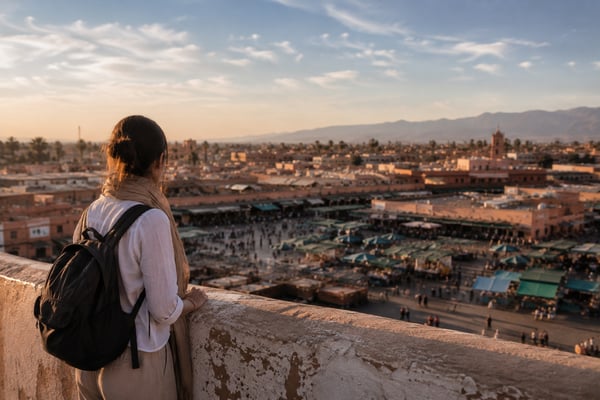
A light daypack earns its place for city days and the desert, carrying water, a scarf, sunscreen, a power bank and whatever you buy along the way. Worn on the front in dense souk crowds, it also sidesteps the pickpocketing that thrives on distraction. Choose one that closes properly rather than an open tote, and it doubles as your desert-camp overnight bag when the main luggage stays behind.
Packing for the desert overnight
Most desert trips let you leave the main bag at a Marrakech riad or the camp's base kasbah and take only an overnight bag into the dunes. Pack that small bag with the warm layer, something to sleep in, a toothbrush, water and a charged power bank, since camps often have no power. Travelling into the dunes light, with the bulk left behind, is far more comfortable than dragging a full case across sand.
What you don't need to bring
Skip the dirham — you cannot buy it before you arrive anyway — and skip overpacking clothes, since laundry is cheap and easy and a scarf or two restyles an outfit. Leave expensive jewellery and anything you would hate to lose at home. Morocco is a place to travel light through, and a bag you can carry up a riad staircase yourself is worth more than any single item you left behind.
Most of this packing list traces back to the country's real shape — the heat-and-cold spread, the modesty norm, the walking, the closed currency you cannot pre-buy. Our best-time-to-visit guide covers how the seasons change the list, and the first-timer's overview ties the whole trip together.
Packing for Morocco: FAQ
Do I need to dress conservatively?
Covered shoulders and knees are the respectful norm. Loose, lightweight clothing handles both modesty and the heat, and draws less attention.
Is it really cold in the desert?
Yes, after dark, even when cities are hot. Bring a warm layer and something long-sleeved to sleep in at a desert camp.
What shoes should I bring?
Closed, comfortable, broken-in walking shoes for the uneven medina ground. Sandals are fine only for downtime.
What's the most useful single item?
A light scarf — it works for sun, cool evenings, dusty roads and covering up near mosques.
What should I not pack?
Dirham (you can't buy it in advance), too many clothes (laundry is cheap), and anything valuable you'd hate to lose.
Keep planning
Not sure how it all fits together?
Pick your trip length and we'll route a real day-by-day plan.