A little cultural awareness goes a long way in Morocco. Dress, greetings, the right hand, photography, mosque access and Ramadan courtesy, without the anxiety.
A little cultural awareness goes a long way in Morocco, and none of it is complicated or anxiety-inducing — a few habits of dress, greeting and courtesy cover almost every situation and are warmly received. Morocco is a welcoming, Muslim country used to visitors, so the aim is respect rather than performance. Here are the customs worth knowing before you go, kept practical.
Dress
Dressing modestly — shoulders and knees covered, looser rather than tight — is the single most useful habit, showing respect and reducing unwanted attention at once. This applies more in rural areas and religious sites than on a city rooftop, and you will see a range on other travellers, but erring modest is always the safe, considerate choice. A light scarf is invaluable for covering up near mosques or in conservative areas.
Greetings and the right hand
A warm greeting matters here: "As-salaam alaikum" (peace be upon you) is met with "wa alaikum salaam", and a handshake is common, though some conservative Moroccans of the opposite sex may prefer a hand on the heart instead — follow their lead. Use your right hand for eating, giving and receiving, since the left is traditionally considered unclean. These small gestures signal respect and are noticed and appreciated.
Photography
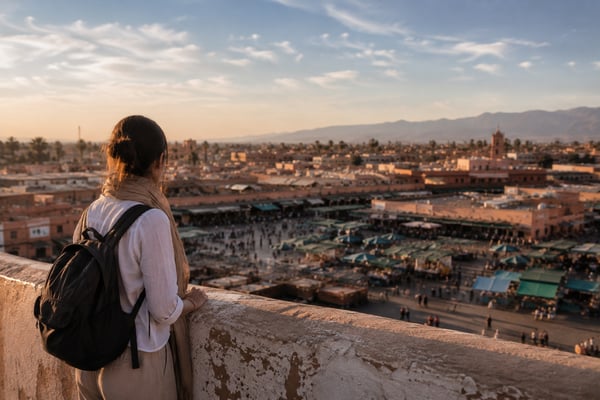
Always ask before photographing people, especially women and in rural areas, and accept a refusal graciously — a camera pointed without consent causes genuine offence and sometimes a demand for payment. Some performers and stallholders, particularly around Jemaa el-Fnaa, will expect a tip for a photo, so agree that first or don't shoot. Landscapes, architecture and street scenes without identifiable faces are unproblematic.
Mosques and religious sites
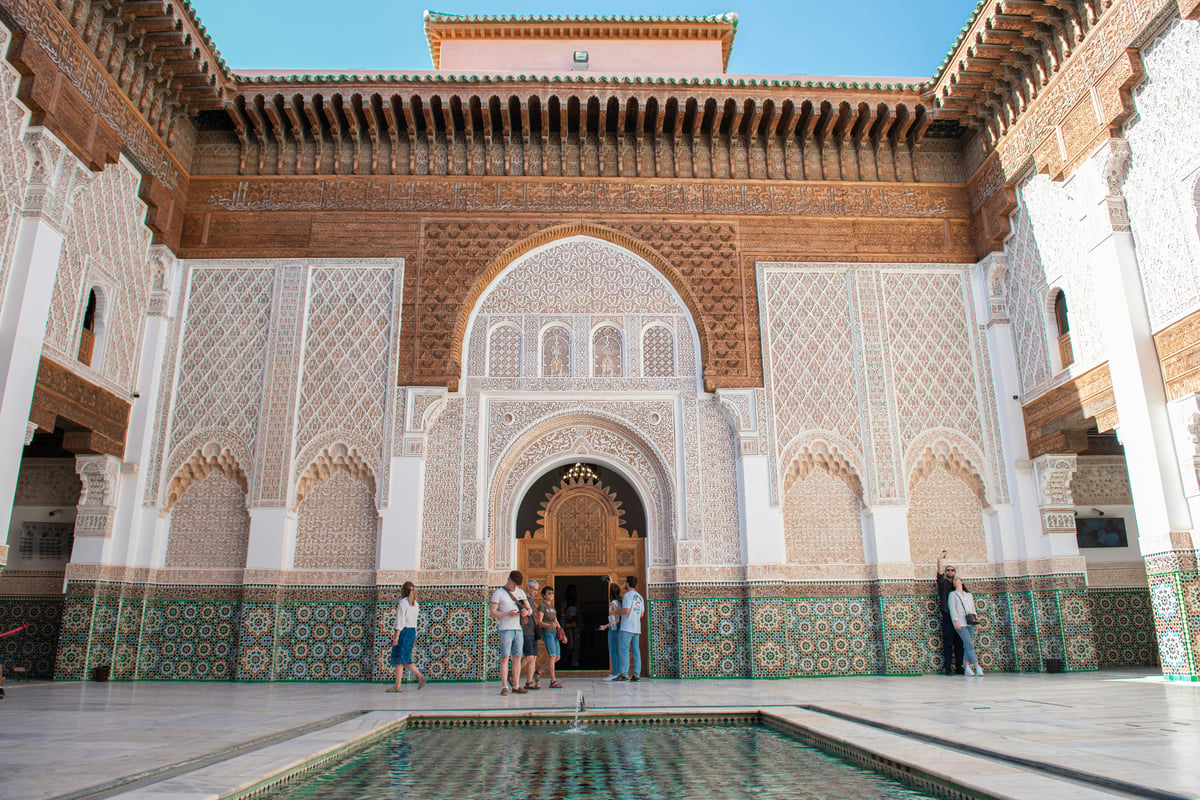
Most mosques in Morocco are closed to non-Muslims, which surprises some visitors, though a small number offer guided tours to non-Muslim visitors. Dress conservatively around religious sites, remove shoes where required, and keep noise and photography respectful. Madrasas (former Islamic schools) are often open to visitors and are among the most beautiful buildings you can enter, so they scratch the architectural itch mosques leave.
Hospitality, tea and eating
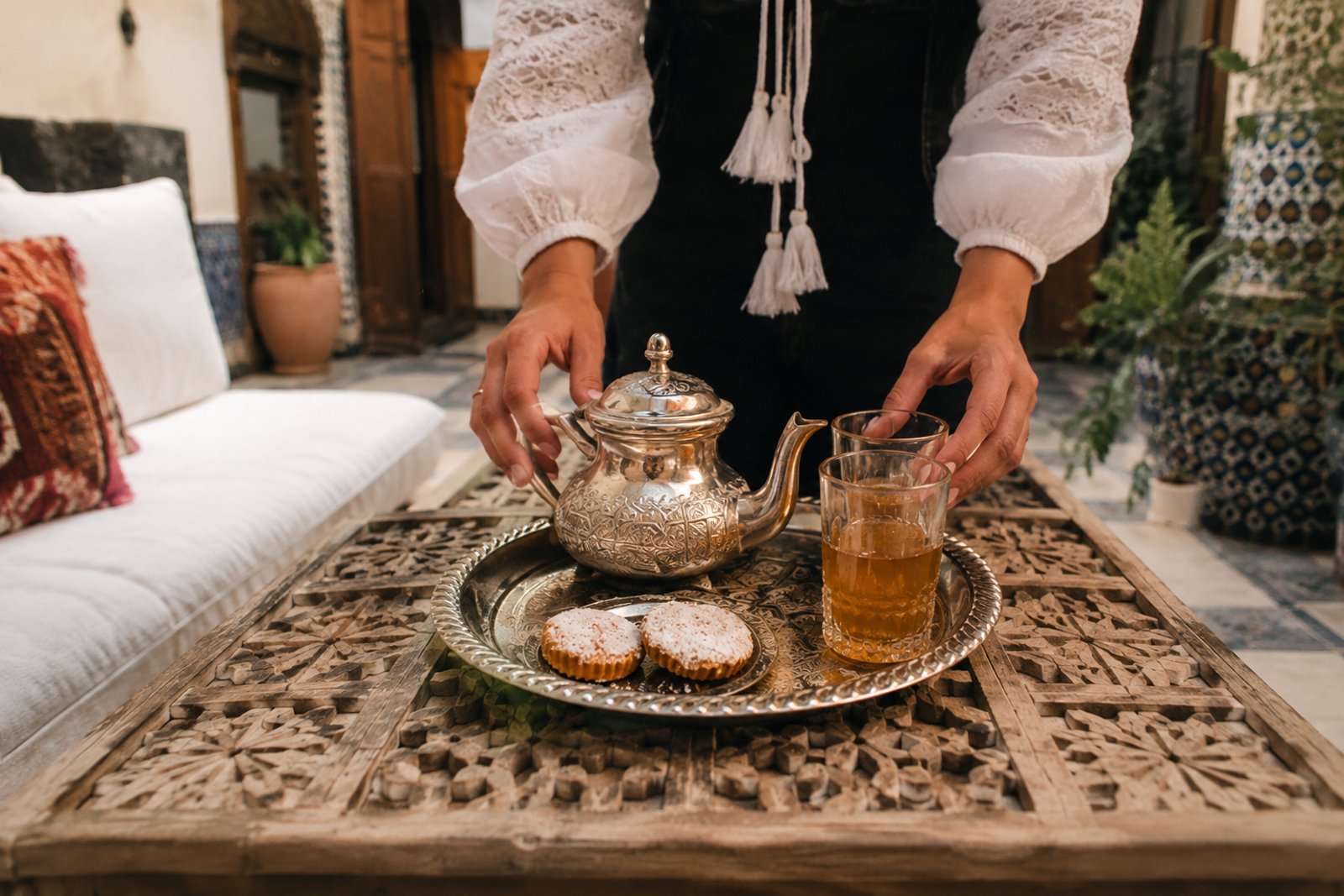
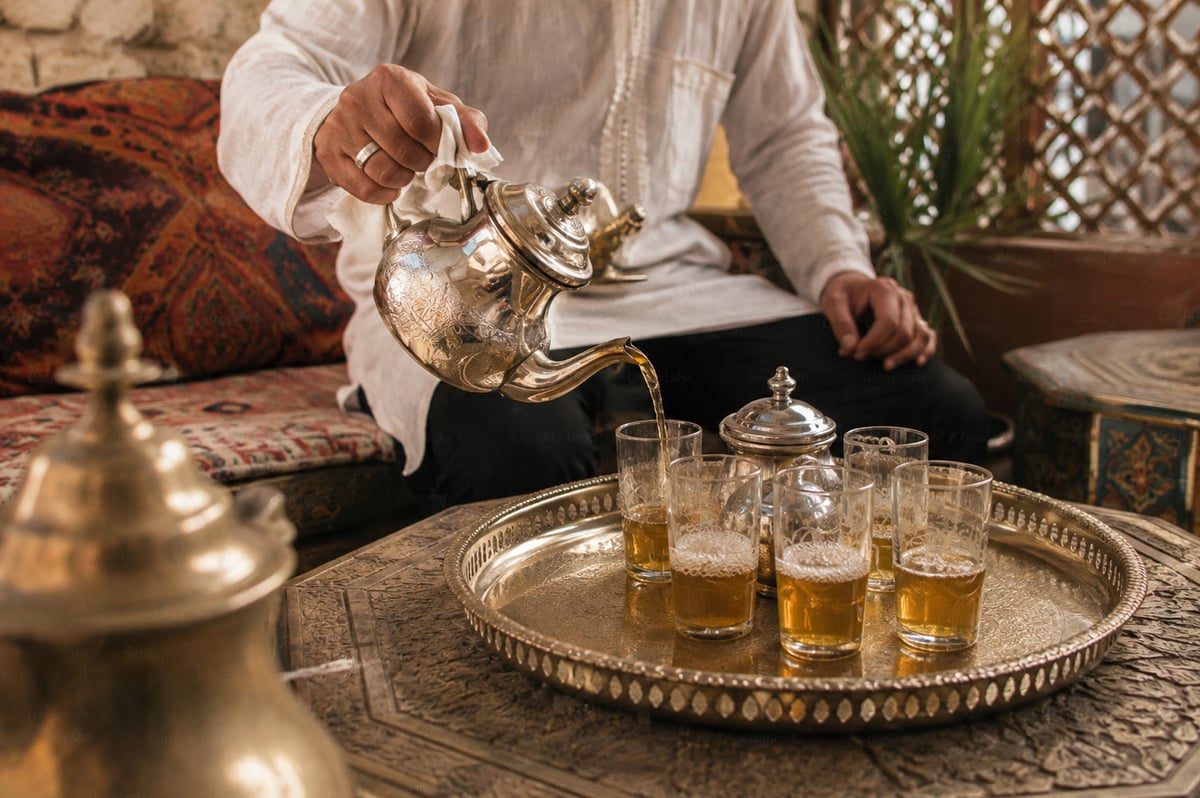
Moroccan hospitality is generous and sincere: mint tea is a ritual of welcome, and accepting it graciously is part of many interactions, from a shop to a home. If invited to eat, the meal may be shared from a communal dish, eaten with the right hand or with bread, and a small gift for a host is appreciated. Accepting hospitality warmly, even briefly, is one of the pleasures of travelling here — just stay aware in a shop that tea can also open a sale.
Bargaining as etiquette
Haggling in the souk is itself a custom, and the etiquette is as much about manner as money: keep it warm, unhurried and good-humoured, treat it as a social exchange rather than a contest, and only open a negotiation on something you would genuinely buy. Walking away is a normal part of the dance, not a rudeness, but naming a price and then abandoning it is considered bad faith. Approached lightly, it is one of the pleasures of the market.
Tipping and small courtesies
Small tips for services are woven through daily life here and are part of ordinary courtesy — a few dirham for a porter, a guide, a parking attendant. Carrying small notes to give promptly is itself a form of good manners, sparing the awkward fumble for change. Combined with a warm greeting and a little patience, these gestures smooth nearly every interaction a visitor has.
Ramadan and everyday courtesy
During Ramadan, avoid eating, drinking or smoking conspicuously in public during daylight out of respect for those fasting, though you are not expected to fast yourself. Year-round, public displays of affection are best kept minimal, patience and good humour open doors, and a few words of Arabic or French are warmly received. None of this requires walking on eggshells — ordinary politeness, tuned slightly for the setting, is all it takes.
Reading a situation for who is being sincere and who is opening a sale — the tea that welcomes versus the tea that sells — is the same attentiveness that runs through the whole trip. Reading that difference well is part of what the complete Morocco trip guide works through across the whole trip. Our safety guide covers the commercial side, and the first-timer's overview ties it together.
Morocco etiquette: FAQ
How should I dress?
Modestly — shoulders and knees covered, looser rather than tight. More so in rural areas and near religious sites. A scarf is invaluable.
Which hand do I use?
The right, for eating, giving and receiving. The left is traditionally considered unclean.
Can I photograph people?
Ask first, especially women and in rural areas, and accept a no. Some performers expect a tip for a photo — agree it first.
Can I enter mosques?
Most are closed to non-Muslims, with a few exceptions that run guided tours. Madrasas — former Islamic schools — are often open and among the most beautiful buildings you can enter.
What about during Ramadan?
Avoid eating, drinking or smoking conspicuously in public during daylight, out of respect. You're not expected to fast yourself.